Last Updated: November 18, 2026
Quick Summary
To find small press children’s books, build a source list from publisher association directories, book festival exhibitor lists, and indie bookshop catalogs, then filter each press by age range, format, and genre before checking whether it is open to submissions. Log every press in one tracker and re-check your shortlist quarterly, since small presses open and close reading periods on seasonal cycles.
- Filtering a 50-press list by catalog fit usually cuts it to 10 or fewer.
- Submit to three to five well-matched presses at a time instead of blasting twenty.
- Read a catalog for titles per season, age ranges, and recurring illustrators.
- Ask for a sample contract before submitting and check term length and reversion.
- Request two or three author references and confirm their books sell through normal retail channels.
Table of Contents
- What Counts as a Small Press Children’s Book in 2026
- A Search Workflow for Finding Independent Children’s Book Publishers
- Reading Children’s Book Publisher Catalogs Like an Insider
- Where to Find Independent Children’s Fantasy Books
- How to Find Children’s Books by Age and Reading Level
- How to Vet a Small Press Before You Submit
- Browse LumaLayer Creations’ Children’s Books
- Frequently Asked Questions
What Counts as a Small Press Children’s Book in 2026
Small press children’s books are titles released by an independent publisher with a focused list, usually a few titles a year, rather than a large corporate house. Learning how to find small press children’s books means looking past the big retailers and into catalogs, publisher websites, and indie bookshops.
The payoff is real. Small presses take chances on quiet stories, unusual art, and new voices that bigger houses pass on. But the label “small press” gets stretched to cover very different operations, so it helps to sort them first.
Small Press, Independent Publisher, or Vanity Press
A small press is a genuine publisher. It selects manuscripts, edits them, designs the book, and pays the author royalties. It takes on the financial risk.
An independent publisher is the broader term. It covers small presses plus self-publishing authors who run their own imprint.
A vanity press charges the author to publish. The author pays, and the company profits whether the book sells or not.
That difference matters more than any other detail on this page. A real small press invests in you. A vanity press sells to you. If a company asks for money before it reads a single page, you are not looking at a publisher.
A Search Workflow for Finding Independent Children’s Book Publishers
Most guides hand you a list of publishers and stop. A list goes stale in a season.
Step 1: Build a source list, not a publisher list. Start with the places that aggregate small presses rather than a single press’s homepage. For practical help ordering unique independent children’s books online, keep that list handy as you move through the steps.
Step 2: Filter by catalog fit before anything else. Open each press’s current catalog and answer three questions in under two minutes: Does it publish books for the age range I write for? Does it publish my format (board book, picture book, early reader, middle grade, young adult)? Has it released a title in my genre in the last two seasons? If any answer is no, drop the press.
Step 3: Confirm the press is actually open. A submissions page that says “closed to unsolicited manuscripts” is a dead end no matter how good the fit is.
Step 5: Work the list in batches. Submit to three to five well-matched presses at a time rather than blasting twenty. Simultaneous submissions are common and usually acceptable unless a press states otherwise, but a tight batch lets you adjust your query letter based on early responses instead of repeating the same mistake across the whole list.
Step 6: Refresh quarterly. Small presses open and close reading periods on seasonal cycles, and staff turn over.
Watch out: a press that appears on a directory is not automatically open, legitimate, or a fit, so treat every entry as a lead to verify rather than a confirmed option.
Reading Children’s Book Publisher Catalogs Like an Insider
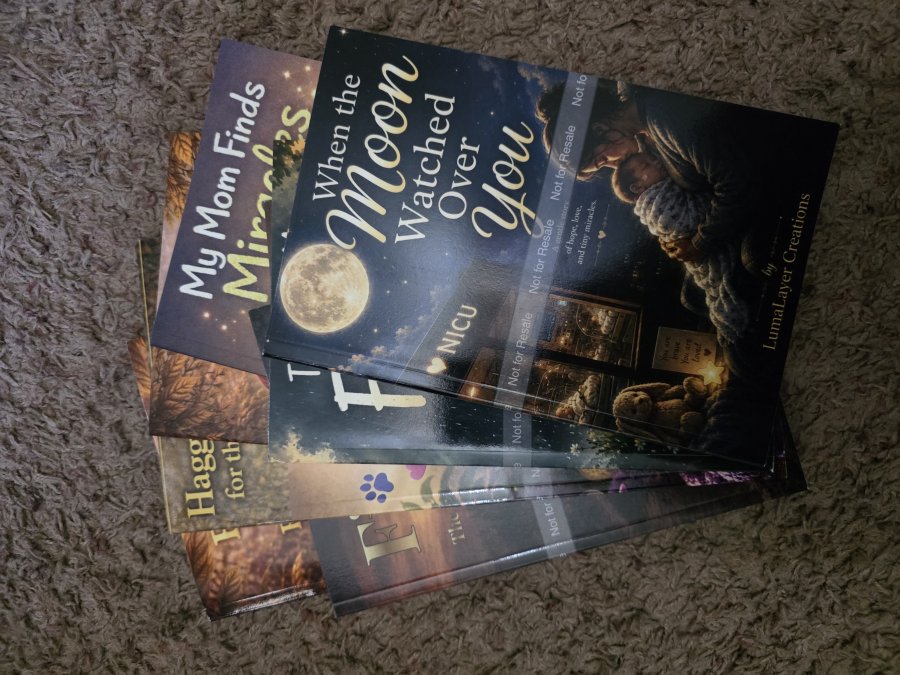
A catalog tells you more about a press than its about page ever will. Read it the way an editor does.
Look at how many titles the press releases each season. Count the picture books versus middle grade novels. Check whether the same illustrator keeps appearing, which hints at a house style. Note the age range printed on each title.
Then ask three questions:
- Does the press publish the kind of book you write?
- Is the art style close to what you imagine for your story?
- Do the titles look like they belong together on one shelf?
A catalog with a clear identity is a catalog worth your time. A scattered list usually means a scattered editorial vision.
Where to Find Independent Children’s Fantasy Books
Fantasy lives and breathes at small presses, because the genre rewards long series and rich worldbuilding that big houses often trim down. Finding independent children’s fantasy books takes a slightly different route.
Start with genre-specific channels: fantasy reader communities, indie bookshop display tables, and library youth sections. Librarians and teachers are often the fastest source of recommendations, since they buy across many small lists.
Then check the press itself. Does it publish series, or standalones? Does the art lean classic or modern? A press with three fantasy series already running is a press that understands the genre.
Our reader’s guide to children’s fantasy books with engaging characters goes deeper into what makes these stories stick with young readers.
How to Find Children’s Books by Age and Reading Level
Matching a book to a child’s age is the single most useful filter you have. Publishers print an age range on nearly every title, and it usually follows a predictable pattern:
| Age Range | Typical Format | What to Look For |
|---|---|---|
| 0-3 | Board books | Sturdy pages, simple shapes, few words |
| 3-5 | Picture books | Rich art, read-aloud rhythm, short text |
| 6-8 | Early readers | Short chapters, larger type, familiar words |
| 8-12 | Middle grade | Full plots, chapter books, series potential |
| 12+ | Young adult | Longer arcs, complex themes |
Reading level is separate from age. A book can be written for a seven-year-old and still use vocabulary a five-year-old can follow. Judge by sentence length and page count, not just the label.
For concrete picks at each stage, our parent’s guide to early readers breaks down the options.
How to Vet a Small Press Before You Submit
A legitimate small press will have a real website, a visible catalog, named staff, and clear submission guidelines. That is the floor, not the ceiling.
Round 1: Basic legitimacy.
- The press has published children’s titles in the last two years
- The website lists a physical address or a registered business name
- Submission guidelines are specific about format and response time
- No fee is required to submit or to publish
- Authors are paid royalties, not billed for services
- The press has a public presence: reviews, events, or bookseller relationships
- Cover design and typesetting look professional
Round 2: Contract terms. Ask for a sample contract or author agreement before you submit, not after an offer. Read for these clauses:
- Term length. How many years does the press hold rights? A multi-year term with no reversion clause can lock your book up long after the press has stopped promoting it.
- Rights granted. Are you granting print only, or print plus digital, audio, translation, and film? Grant the narrowest set you can and keep subsidiary rights you can license elsewhere.
- Reversion. Under what conditions do rights return to you? Look for an out-of-print or sales-threshold clause that triggers reversion automatically.
- Royalty rate and basis. Is the royalty a percentage of list price, net receipts, or wholesale? A percentage of net is common but worth less than the same percentage of list. Ask which one, and ask when payments are made.
- Advances and expenses. What matters is whether any cost is charged back to you.
- Editing and approval. Who controls the final text and cover? You want a say, and you want the process described in writing.
Round 3: Distribution and reach. Ask directly how the press sells its books. A press that sells only through its own website reaches a small audience.
Round 4: Financial health signals. You are not auditing the company, but you can read the signals.
Round 5: Talk to authors. Ask the press for the names of two or three authors it has published and contact them. Ask about communication, royalty payments, marketing support, and whether they would sign again. Authors who are happy to be named are a good sign; a press that will not share any references is a warning.
Watch out: a polished website proves nothing on its own. Some of the most convincing sites belong to operations that charge authors thousands of dollars for services they call publishing.
If you are unsure whether buying from an independent studio is a safe bet, our guide on whether buying from independent studios is safe covers the questions to ask.
Browse LumaLayer Creations’ Children’s Books
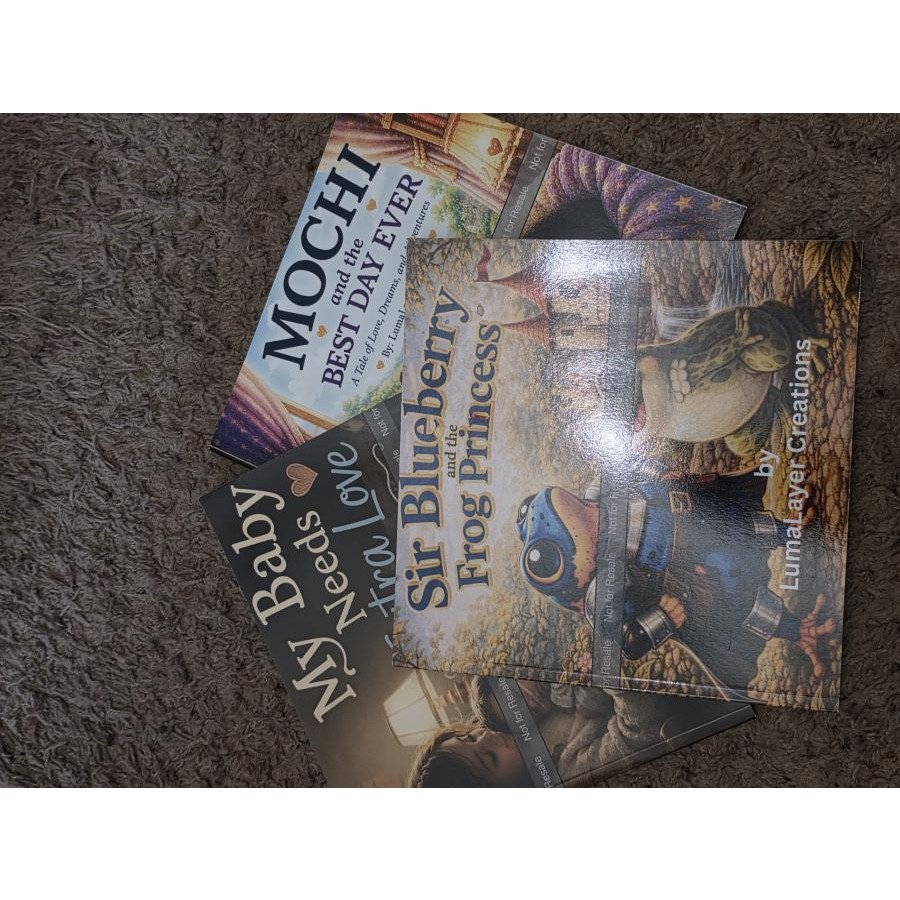
You can browse our children’s book catalog for current titles.
Finding the right small press takes patience, but the books are worth it. The titles that reach young readers through independent publishers often carry a kind of care that mass-market lists cannot match. At LumaLayer Creations, we publish original children’s books and fantasy-inspired stories, alongside custom 3D-printed designs and original printed work. If you want a book that feels handpicked rather than mass-produced, start with our catalog and see where curiosity takes you.
Frequently Asked Questions
What is a small press in children’s publishing?
A small press is an independent publisher that releases a limited number of titles each year, often with a focused editorial list. It is not a vanity press: a legitimate small press pays the author, handles editing, cover design, and typesetting, and sells through distribution channels rather than charging the author to publish. When you search for small press children’s books, check whether the press pays royalties and whether its titles appear in bookstores or library catalogs, since those two facts separate a real independent publisher from a fee-based service.
How do I find small press children’s books by age or reading level?
Start with the publisher’s own catalog and sort by the age range printed on each title, then cross-check against a bookseller or library listing that shows the same age band. Board books and picture books usually sit at the youngest end, early readers and chapter books follow, and middle grade titles sit above that. If a catalog does not state an age range, look at word count, illustration density, and the age of the protagonist, since those three signals tell you who the book was written for.
How can I tell whether a children’s book publisher is independent?
Look at the publisher’s about page and its distribution. An independent publisher names its founder or editorial team, lists a small seasonal list, and usually distributes through a distributor or directly rather than through one of the large corporate publishing groups. You can also check the copyright page of any title: it names the publisher and often the distributor. If the press has no named staff, no catalog, and asks for payment before reading a manuscript, it is not an independent publisher in the sense writers mean.
Where can I browse catalogs from small children’s book publishers?
Most small presses publish a seasonal catalog as a PDF or a catalog page on their website, usually organized by season and age range. Publisher association member directories and independent bookseller websites also list catalogs by press. When you browse, note the submission window and response time printed in each catalog, since those details tell you whether the press is currently accepting submissions and how long a decision takes. Save the catalog link for each press you like so you can return to it when your manuscript is ready.

0 Comments