Last Updated: November 9, 2026
Quick Summary
The best independent picture books for early readers pair simple, predictable text with illustrations that carry meaning, so a child can guess hard words and keep moving. Look for one to three sentences per page, repeated phrases, large type, and a satisfying ending within one sitting. Small presses, author websites, library displays, and independent bookstores are where you find them.
- Picture books are read aloud, while early readers use short sentences and controlled vocabulary for solo reading.
- The five-finger rule: more than five undecodable words on a page means save the book for later.
- Wordless books build confidence because there is nothing to decode and nothing to fail at.
- Ask one open comprehension question per spread, such as retell, predict, connect, or wonder.
- A book that is too hard shows up as frustration or guessing, so read it aloud together and retry in a few weeks.
Table of Contents
- Beyond the Bestseller List: Why Independent Picture Books Matter
- Picture Books vs. Early Readers: Understanding the Difference
- What Makes Picture Books for Beginning Readers Work?
- The Best Books for 5 Year Olds to Read Themselves
- Building Reading Confidence with Wordless Books and Graphic Novels
- How to Choose Books for a Child Learning to Read Independently
- Finding Your Next Favorite Independent Story
- Frequently Asked Questions
Beyond the Bestseller List: Why Independent Picture Books Matter
The best independent picture books for early readers rarely appear on a bestseller list, and that is exactly why they are worth hunting down. Independent children’s books take real craft, and many never get a big-box display.
That matters for a child learning to read. A beginning reader needs a book that feels made for them, not one chosen by a marketing department.
Below, we explain how to tell a picture book from an early reader, what makes a title work for a new reader, and how to build a shelf that grows with your child.
Picture Books vs. Early Readers: Understanding the Difference
Picture books and early readers serve different jobs, and mixing them up is the most common mistake parents make. A picture book pairs illustrations with text meant to be read aloud, often with richer vocabulary and a full narrative arc. An early reader is built for the child reading alone: short sentences, controlled vocabulary, and a layout that supports decoding.
Picture books for beginning readers sit in the middle. They keep the art and story of a picture book but use simpler language and repeating patterns a child can follow.
The Role of Decodable and Leveled Texts
Decodable books train phonics: each story uses letter patterns a child has already learned, so sounding out words actually works. Leveled readers sort books by difficulty, usually with a number or letter tied to reading level guidance from the Association for Library Service to Children. Neither approach replaces a good picture book. They build the skills that let a child enjoy one.
Here is how the two formats differ at a glance.
|
Format |
Made for |
Key features |
|---|---|---|
|
Picture book |
Reading aloud |
Richer vocabulary, full narrative arc, illustrations |
|
Early reader |
Child reading alone |
Short sentences, controlled vocabulary, decoding-friendly layout |
|
Picture book for beginning readers |
New readers |
Art and story of a picture book, simpler language, repeating patterns |
What Makes Picture Books for Beginning Readers Work?
The best picture books for beginning readers share three traits: predictable text, illustrations that carry meaning, and a story worth finishing. Predictability gives a child a running start, because repeated phrases let them join in before they can decode every word. Illustrations do the rest of the work, letting a reader guess a hard word from the picture and keep moving.
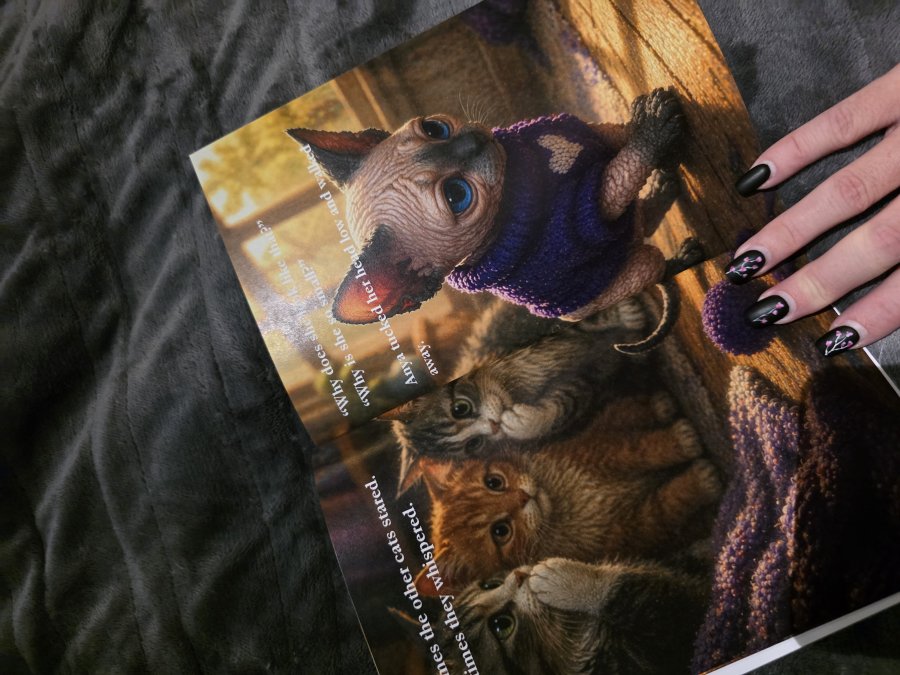
PICTURE BOOK INTERIOR
Picture Clues and Text-to-Image Ratio
Text-to-image ratio is the balance between words and art on a page. For a new reader, fewer words per page and larger art work better, because the picture supplies context the text does not. Picture clues let a child confirm a guess without stopping to ask for help. A common mistake is handing a child a beautifully illustrated book with dense paragraphs on every spread. The art is there, but the text load defeats the purpose.
The Best Books for 5 Year Olds to Read Themselves
The best books for 5 year olds to read themselves are short, funny, and built on repetition, with one clear idea per page. At this age, reading stamina is short, so a title that finishes in ten minutes beats a longer book that ends in frustration. Look for large type, generous white space, and sentences that fit on one line.
A short checklist helps when you are standing in a bookstore or browsing online:
- One to three sentences per page, no more
- Repeated phrases a child can predict and chime in on
- Art that shows what the words say
- A character worth caring about
- A satisfying ending within one sitting
Sight words show up often in these titles, and that is fine. Repetition is how they stick.
Building Reading Confidence with Wordless Books and Graphic Novels
Wordless books and graphic novels build reading confidence by removing the fear of getting a word wrong. A wordless book tells its story entirely through pictures, so a child practices narrative structure, sequencing, and vocabulary building by narrating what they see. Nothing to decode means nothing to fail at, and that changes how a hesitant reader feels about story time.
How to Read a Wordless Book Together
A wordless book rewards a different kind of reading. Try this sequence:
- Picture walk first. Flip through the whole book and let the child tell you what they notice on each page.
- Narrate together. Go back to the start and have the child tell the story in their own words while you point to details.
- Add feeling words. Ask what the character is feeling and why the picture shows it.
- Retell the next day. Ask the child to tell the story again from memory, which builds sequencing and vocabulary.
A common pattern is that a child who freezes over a page of text will talk for ten minutes about a wordless spread. That talk is reading comprehension in action.
Why Graphic Novels Work for New Readers
Graphic novels do something similar with words attached. Speech bubbles, short sentences, and panels break a story into small pieces, which suits a child who loses their place in a wall of text. The panel layout teaches left-to-right and top-to-bottom reading order, and the pictures carry context so a hard word does not stop the story. For a deeper look at character-driven stories for young readers, our guide to children’s fantasy books with engaging characters covers what to look for.
Decodable vs. Leveled Readers
Parents often ask whether to choose decodable books or leveled readers. They do different jobs. Decodable books are built around phonics patterns a child has already learned, so sounding out words works and the child gets practice applying letter-sound rules. Leveled readers sort books by difficulty, usually with a number or letter tied to reading level guidance from the Association for Library Service to Children, and they emphasize high-frequency words and predictable text. Neither replaces a good picture book.
A Simple Confidence Ladder
- Start with wordless books and graphic novels for story sense.
- Add decodable books for phonics practice.
- Move to leveled readers for fluency.
- Keep picture books in the mix for read-aloud joy.
How to Choose Books for a Child Learning to Read Independently
Choosing books for independent reading comes down to matching the book to the child, not to a grade label. A reading level is a starting point, not a verdict. The real test is whether your child can read most of a page without help and still wants to turn it.
Start with the five-finger rule: hold up a finger for each word a child cannot decode on a page. More than five, and the book is better saved for later or read together. But decoding is only half the job.
Comprehension Questions That Actually Work
After a child finishes a spread or a short chapter, ask questions that pull them back into the story rather than quiz them. Most practitioners find that open questions work better than yes-or-no ones. Try these in rotation:
- Retell: “What happened first, and what happened next?”
- Predict: “What do you think the character will do now?”
- Connect: “Does this remind you of anything you have done?”
- Wonder: “Why do you think the character felt that way?”
- Picture clue: “How did the picture help you know that?”
A child who reads fast but cannot retell the story is not really reading yet. Ask one question at the end of each spread, and let the answer guide what you pick next. If a child can retell and predict, the book is at the right level even if a few words were hard.
Watch for These Signals
- Engagement: does the child ask for the next page?
- Fluency: do they read in phrases rather than word by word?
- Comprehension: can they tell you what just happened?
- Stamina: can they finish a short book in one sitting without losing focus?
When a Book Is Too Hard
A book that is too hard shows up as frustration, guessing from the first letter, or refusing to read. That is not a failure. Pull the book back out and read it aloud together, then try again in a few weeks. Independent reading grows from a steady diet of books a child can mostly handle, with a few stretch titles read side by side.
Accessibility and Neurodiversity
Not every early reader decodes text the same way. Children with dyslexia or visual processing differences often do better with books that use generous spacing, a clean sans-serif typeface, and short lines. Wordless books and graphic novels can be a strong entry point because they let a child build story sense without the decoding load. If a child consistently struggles with small type or crowded pages, look for independent titles designed with accessible layouts, and ask your child’s reading specialist which formats suit them best.
Finding Your Next Favorite Independent Story
Independent authors are easiest to find when you know where to look. If you want to know how to buy titles like these directly, our guide to ordering unique independent children’s books online walks through it.
Start with one book. Read it together, then let your child pick the next one from a short stack you have already vetted. That small bit of choice does more for reading habits than any leveled list.
Building a reading habit takes patience, and the right book makes the difference between a struggle and a request for one more chapter.
Frequently Asked Questions
What makes a picture book suitable for a beginning reader?
A suitable picture book for a beginning reader features large, clear type, short sentences, and a strong text-to-image ratio where pictures provide direct clues to the words. Look for books with repetitive phrasing, rhyming text, and sight words that help build reading fluency. Books with a simple narrative structure and engaging illustrations keep reading engagement high while supporting vocabulary building and reading comprehension.
Are picture books or early readers better for a new reader?
It depends on the child’s reading stage. Picture books for beginning readers are great for shared reading and building comprehension through picture clues, while early readers (leveled readers) are designed for independent reading practice with controlled vocabulary. Many parents use both: picture books to build a love of stories and early readers to practice decoding and sight words. The best approach is a mix that matches your child’s reading level and confidence.
How do I choose a picture book for a child learning to read independently?
Start by checking the reading level and text-to-image ratio. For independent reading, choose books with short sentences, large type, and familiar sight words. Consider the child’s interests to boost reading engagement, and look for book series that offer continuity. Also, evaluate the narrative structure: a clear, predictable plot helps reading comprehension. Finally, ensure the book is accessible—check if it’s available at your local library or from an independent publisher.

0 Comments