

Table of Contents
- Why Independent Studios Matter and What You Need to Know
- How to Find a Reputable 3D-Printing Service
- Questions to Ask a 3D-Printing Service Before Ordering
- Custom 3D Printing Quality Checklist
- 3D-Printed Cosplay Accessories Durability and Longevity
- Payment Protection and Risk Mitigation Strategies
- Red Flags: What to Watch Out For
- Frequently Asked Questions
Last Updated: October 10, 2026
Why Independent Studios Matter and What You Need to Know
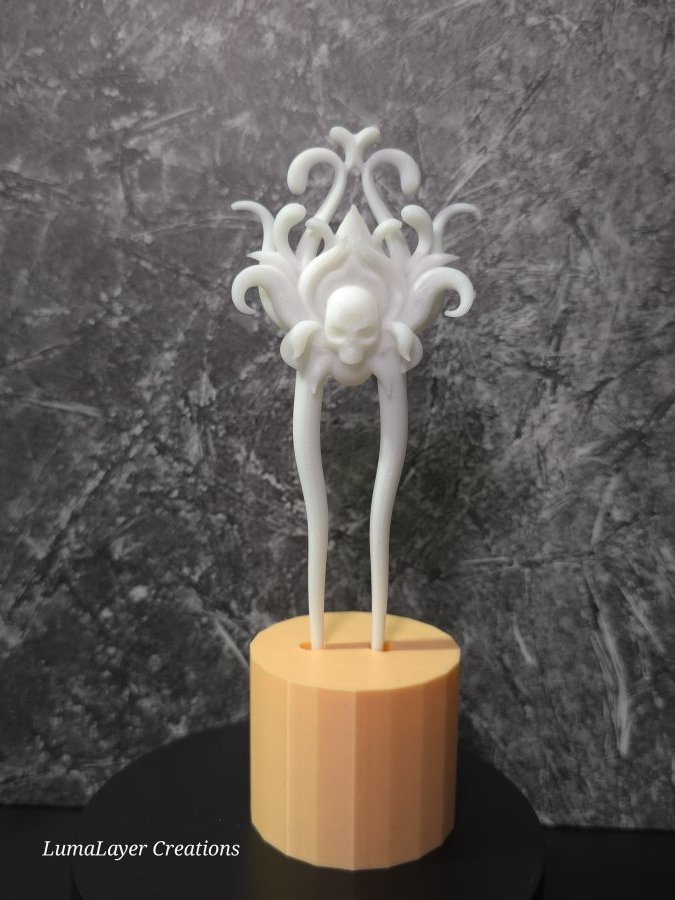
Buying from independent studios means supporting creators who design and produce unique items outside large corporate structures. At LumaLayer Creations, we understand the appeal: custom 3D-printed cosplay accessories and handcrafted creations offer something mass-produced alternatives cannot match. The question remains: is buying from independent studios safe?
The answer is yes, with the right approach. Independent studios often deliver higher quality and personalized service than larger manufacturers, but you need to verify legitimacy upfront. Safety means receiving what you paid for, protecting your payment, and ensuring the product meets quality standards.
How to Find a Reputable 3D-Printing Service
Verifying an independent studio requires checking multiple layers of legitimacy.
Verify Business Identity and Legitimacy
Look up the studio’s business name on your state’s Secretary of State website or the Better Business Bureau. A legitimate studio has a registered business license, physical address, and consistent contact information across their website, social media, and marketplace listings. Cross-check phone numbers and emails for inconsistencies, which signal unreliability.
Evaluate Portfolio Depth and Consistency
A reputable studio shows a visible track record spanning months or years with:
- Multiple completed projects (at least 10-15 examples for established studios)
- Variety in project types and complexity
- Dates on portfolio pieces from the past 12 months
- High-resolution photos from multiple angles, not stock images
- Before-and-after images or process documentation where applicable
Be cautious of portfolios with only a handful of pieces, heavily filtered photos, or identical-looking work.
Read Customer Reviews Across Multiple Platforms
Search for independent feedback on Google Business, Trustpilot, Reddit communities (r/cosplay, r/3Dprinting), Etsy, and Facebook. Read actual review text, not just star ratings. Look for patterns in delivery speed, product quality accuracy, and dispute resolution. Healthy profiles show mostly positive feedback with occasional constructive criticism the creator addressed. Pay attention to review dates, recent feedback matters more than old praise.
Assess Communication and Responsiveness
Contact the studio with a question before ordering. Professional studios respond within 24-48 hours with specific, detailed, professional replies. Slow or vague responses signal how they’ll handle issues during your order.
Check for Longevity and Stability
Studios operating 2+ years under the same name, location, and branding are lower-risk than brand-new operations. Check social media history for years of regular posts and engagement. A brand-new account with no history, especially one requesting large upfront payments, is a yellow flag.
Questions to Ask a 3D-Printing Service Before Ordering
Before committing, ask:
- What materials do you use, and why for this project?
- Can you show examples of similar completed work?
- What’s your timeline from order to delivery?
- How do you handle revisions or design changes?
- What’s your refund or replacement policy if I’m unsatisfied?
- How will the item be packaged and shipped?
- What payment methods do you accept?
Ask specifically about durability. For cosplay accessories worn at conventions, ask how the material holds up to repeated use. For classroom models, ask about longevity with multiple handlers.
Custom 3D Printing Quality Checklist
Before approving a final design, evaluate:
- Surface finish: Smooth without visible layer lines or rough spots
- Dimensional accuracy: Parts fit as designed without forcing or gaps
- Color consistency: Uniform coloring throughout
- Detail clarity: Fine features are sharp and well-defined
- Structural integrity: No cracks, warping, or material weakness
- Assembly fit: Moving parts articulate smoothly; stationary parts sit flush
Request detailed photos of your finished piece before shipment. Ask about their quality control process, do they inspect every piece, test moving parts, and photograph items before shipping?
3D-Printed Cosplay Accessories Durability and Longevity
Durability depends on material choice and design. Resin-based prints tend to be more durable than standard plastic filament for wearable pieces, resisting impact better and degrading less under UV light.
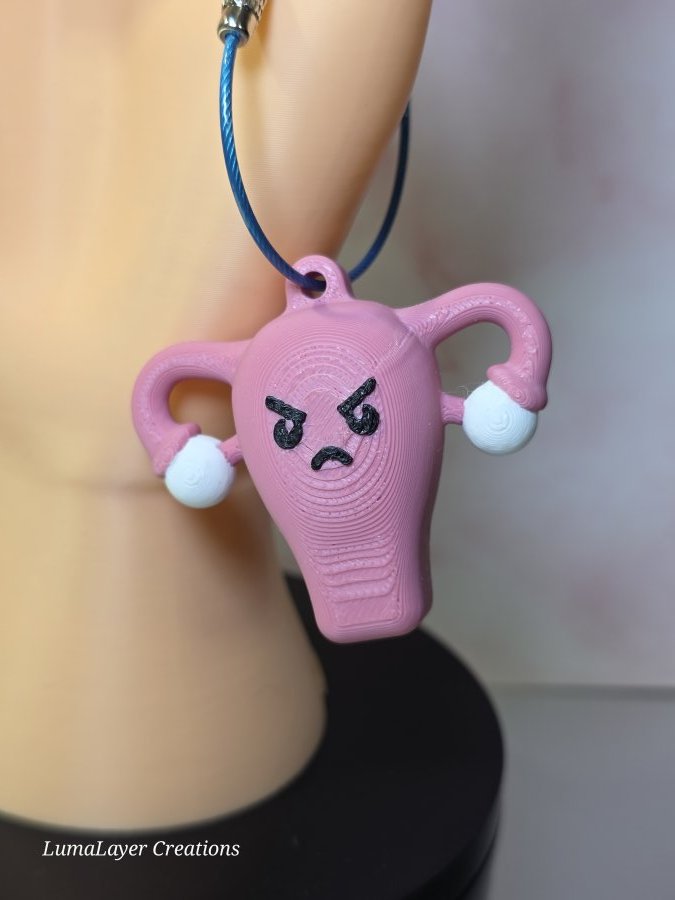
Ask your studio which material they recommend for your specific use case. A helmet worn at conventions faces different stresses than a decorative shoulder piece. Storage matters too, keep printed pieces away from direct sunlight, extreme heat, and humidity in a cool, dry place. Most quality 3D-printed cosplay pieces last several years with proper care.
Payment Protection and Risk Mitigation Strategies
Financial safety depends on your payment method, written terms, and dispute handling.
Choose Payment Methods with Buyer Protection
Rank your options from safest to riskiest:
-
Credit cards – Offer the strongest protection through chargeback rights. If you don’t receive your order or it arrives damaged or misrepresented, you can dispute the charge with your card issuer within 60 days.
-
PayPal (Goods & Services) – Provides buyer protection if the item doesn’t arrive or doesn’t match the description. You have 180 days to open a dispute.
-
Digital wallets (Apple Pay, Google Pay) – Protection depends on your underlying payment method.
-
Bank transfers and wire transfers – Offer almost no recourse if something goes wrong. Avoid these for first-time purchases.
-
Cash or check – No protection and no transaction record.
For custom orders from new studios, always use credit card or PayPal Goods & Services.
Verify Checkout Security
Before entering payment information, confirm the website is secure: the URL should begin with https:// and display a padlock icon. Avoid entering payment details on non-HTTPS sites. If the studio asks you to pay via email invoice or third-party link, verify the domain carefully, scammers create lookalike URLs.
Get Refund and Revision Terms in Writing
Before paying, request the studio’s refund and revision policy in writing. It should cover what qualifies for refunds (damaged goods, non-delivery, significant delays), what doesn’t (buyer’s remorse), timeline for reporting issues, refund method, and revision process for custom orders. Vague policies leave you vulnerable.
Establish a Payment Schedule for Custom Orders
For large or custom projects, propose staged payments: 50% deposit when you approve the design, 50% balance upon completion before shipment. This protects both parties, the studio gets materials funding while you retain leverage for quality assurance. If a studio demands 100% upfront, that’s a warning sign.
Document Everything
Keep all communications: emails, messages, design photos, and agreements. For custom orders, request a written contract or detailed order confirmation including product description, dimensions, materials, timeline, total cost, payment schedule, revision policy, and refund conditions. Both parties should sign or digitally agree.
Know Your Dispute Resolution Options
If the studio fails to deliver or delivers defective work:
-
Contact the studio first with a clear explanation and give them 7-14 days to respond.
-
File a dispute with your credit card company or PayPal if they don’t help, providing evidence: photos of damage, emails, screenshots of the listing, and order confirmation.
-
Report to the Better Business Bureau or state attorney general if the studio operates fraudulently.
-
Small claims court is an option for larger orders, though most studios settle rather than face court claims.
Red Flags: What to Watch Out For
Avoid creators with no portfolio or customer reviews. If they won’t show examples, they may not have any.
Be cautious of extremely low prices. Quality 3D printing requires time, materials, and expertise. Significantly below-market rates often indicate rushed work or material shortcuts.
Watch for vague communication about process, timeline, or materials. Professional creators answer questions specifically and promptly.
Avoid studios demanding full payment upfront for custom work. A reasonable payment schedule shows confidence in delivery.
Red flags include slow response times, dismissive attitudes toward questions, unwillingness to provide references, inability to commit to specific delivery windows, or “it’ll be done when it’s done” timelines. Trust your instincts.
Buying from independent studios is safe when you approach it strategically. Verify the studio’s track record through portfolio review and customer feedback. Ask detailed questions about materials, timelines, and quality control. Use payment methods offering buyer protection. At LumaLayer Creations, we believe independent creators deliver exceptional quality and personalized service, but verification matters. Take time to evaluate any studio before ordering, and you’ll significantly reduce risk while supporting creators who pour passion into their work. Ready to find your perfect custom piece? Explore our Shop to see what’s possible when craftsmanship meets imagination.
Frequently Asked Questions
Is it safe to buy custom 3D-printed items from an independent studio?
Yes, buying from independent studios can be safe when you take proper precautions. Verify the studio’s track record through portfolio reviews and customer feedback, ask detailed questions about materials and durability, use secure payment methods with buyer protection, and confirm delivery timelines and return policies in writing before ordering. Independent studios often deliver higher quality and customization than mass-produced alternatives, but due diligence is essential.
What should I check before ordering a custom 3D-printed item?
Before ordering, review the studio’s previous work and customer testimonials, confirm the material and printing method match your needs, ask about post-processing and finishing quality, verify the studio’s experience with your specific project type, and request a detailed quote and timeline. For durability-critical items like cosplay accessories, ask how the finished product will handle stress and wear. Get everything in writing, including revision policies and delivery dates.
How can I assess the quality of a studio’s 3D-printed products?
Examine the studio’s portfolio for surface finish, detail precision, and consistency across projects. Ask for references from customers who ordered similar items. Request sample photos of finished products from multiple angles. Inquire about the materials used and whether they’ve been tested for durability. A reputable studio will provide detailed specifications and be transparent about material limitations.
What payment methods offer the best protection when buying from independent studios?
Credit cards and digital payment platforms with buyer protection (like PayPal Goods & Services) offer the strongest safeguards. Avoid wire transfers or cash payments, which provide no recourse if the order fails to arrive or doesn’t meet specifications. For larger orders, consider escrow services or milestone-based payments. Always use documented communication and keep order confirmations, payment receipts, and correspondence as proof of the transaction.
0 Comments