


Table of Contents
- Why Unique Gothic Accessories Beat Mass-Produced Fast Fashion
- Where to Shop for Gothic Accessories Online and in Person
- Finding Independent Gothic Designers and Small-Batch Makers
- Gothic Accessories Materials: A Craftsmanship Checklist
- Handmade, Small-Batch, Vintage, or Just Marketed as Ethical?
- Gothic Jewelry, Belts, Bags, and Footwear by Category
- Gothic Cosplay Accessories That Survive the Convention Floor
- How to Style Gothic Accessories for Everyday Wear
- Frequently Asked Questions
Last Updated: October 17, 2026
Why Unique Gothic Accessories Beat Mass-Produced Fast Fashion
The question of where to find unique, high-quality gothic accessories that don’t look like mass-produced fast fashion comes down to one truth: mass production flattens detail. A stamped pendant and a hand-finished one can photograph the same, but only one survives a year of daily wear. At LumaLayer Creations, we build original 3D-printed gothic and cosplay pieces in small runs, so we pay close attention to what separates real craft from a catalog photo.
Gothic accessories are wearable pieces, jewelry, belts, bags, and footwear, that carry a dark, romantic, or alternative aesthetic. The difference between a considered piece and a fast-fashion knockoff shows up in weight, finish, and how the hardware holds up.
Below, we break down where to shop, how to judge materials, and how to style gothic accessories so they read as intentional rather than costume.
Where to Shop for Gothic Accessories Online and in Person
Online shopping wins on selection and independent access; physical stores win on fit and feel. Most buyers do best with a hybrid: browse online to find independent gothic designers, then handle anything structural, like footwear or belts, in person when possible.
Online marketplaces and maker platforms give small studios a storefront without a retail lease, which is why so many independent gothic designers sell there first. Physical shops still matter for sizing and for checking metal hardware in your hand. The trade-off is reach versus certainty: online gives you range, in-person gives you proof.
Online Shops Versus Physical Stores
Online shops carry the widest range of small-batch and handmade work, and returns policies let you test fit. Physical stores let you feel weight and check clasps before buying, but rarely stock niche independent makers.
A practical rule: buy jewelry, bags, and accessories online once you trust the maker’s materials list, and buy footwear in person when you can. For sizing and returns, read the shop’s policy before checkout, since independent studios often run tighter exchange windows than large retailers.
The Purchase Details That Actually Decide a Sale
Most buying mistakes happen after you pick a piece, not before. Before checkout, confirm five things:
- Sizing and fit: Independent makers often publish measurements rather than standard sizes. Compare a belt’s stated length to a belt you already own, and check whether rings list US sizes or metric diameters.
- Materials list: A serious shop names the metal, leather grade, or filament type. If the listing says only “silver-tone” or “premium leather,” ask directly.
- Shipping window: Small-batch studios frequently make to order, so a two-to-four-week lead time is normal. Confirm whether the quoted window is production time or delivery time.
- Returns and exchanges: Many independent sellers accept returns for fit but not for made-to-order or personalized pieces. Read the policy before you order, not after.
- Repair options: Ask whether the maker will reattach a clasp or replace a strap. A shop that offers repairs is signaling it expects the piece to last.
Affordable Gothic Clothing and Accessories Without the Fast-Fashion Look
Affordable does not have to mean disposable. Secondhand and vintage pieces stretch a budget furthest, and small-batch makers often price simple items, like a single pendant or a plain leather belt, within reach of fast-fashion spending.
Focus your budget on pieces you will wear weekly. A well-made belt or a solid pair of boots earns its cost back over years; a trend-driven novelty item rarely does. A useful habit is to estimate cost per wear before buying: divide the price by the number of times you expect to wear the piece in a year. A piece you reach for twice a week usually beats a cheaper one that stays in a drawer.
Finding Independent Gothic Designers and Small-Batch Makers
Start with maker platforms, studio social accounts, and craft fairs, then verify the maker’s process before you buy. Independent gothic designers usually show work-in-progress photos, name their materials, and answer questions directly, which is exactly the transparency mass-market sellers skip.
When you evaluate a new studio, look for three signals: a clear materials description, real customer reviews with photos, and a stated return or replacement policy. If a shop hides all three, treat it as a warning.
Gothic Accessories Materials: A Craftsmanship Checklist
Quality in gothic accessories comes down to materials, hardware, and finishing, and you can check all three before you buy. Use this checklist to separate durable pieces from mass-produced lookalikes.
- Metal hardware: solid brass or stainless steel resists tarnish; thin plated pot metal flakes and discolors.
- Leather and faux leather: full-grain or top-grain leather ages well; bonded leather peels at stress points.
- Stitching: even, tight stitching with no loose threads signals care; glued seams fail first.
- Weight: a substantial piece in the hand usually means denser material, not hollow filler.
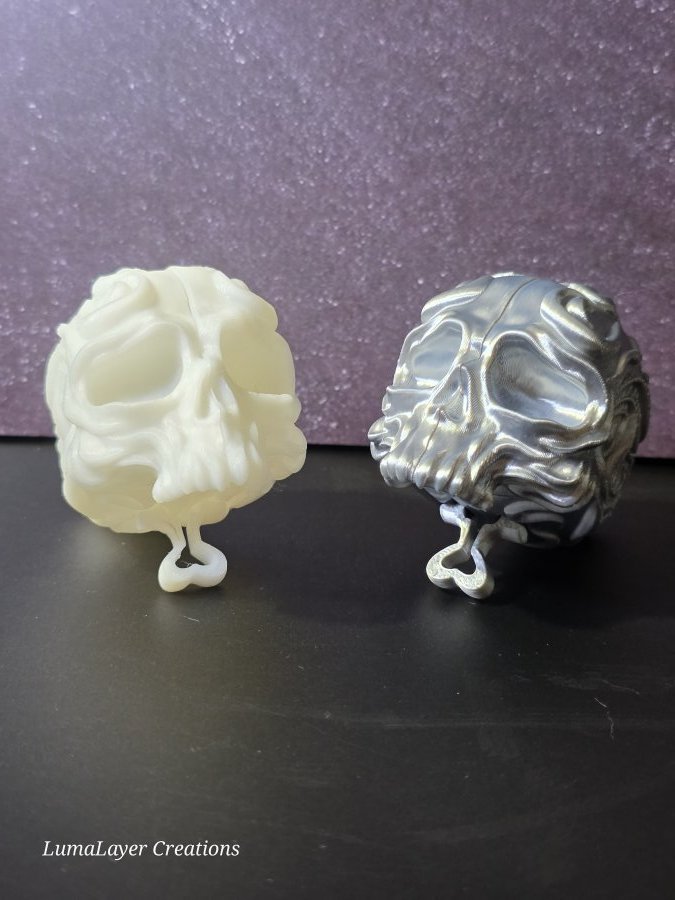
- Finish: smooth edges and clean joins on 3D-printed or cast pieces show real finishing work.
- Repairability: removable clasps and standard fittings can be fixed; sealed-in parts cannot.
Handmade, Small-Batch, Vintage, or Just Marketed as Ethical?
These labels are not interchangeable, and the gap between them is where buyers get burned. Handmade means a person made the piece; small-batch means limited production runs; vintage means it is genuinely old; marketed as ethical means only that the seller says so.
Ask for specifics. A maker who says “handmade” should be able to describe the process. A seller claiming sustainable fashion should name the material and where it came from. Vintage should come with an era or provenance, not just a rustic photo.
Gothic Jewelry, Belts, Bags, and Footwear by Category
Each accessory category has its own durability test, so shop by use rather than by look alone. The table below pairs each category with what to check, what it is best for, and the failure point to watch.
|
Category |
What to Check |
Best For |
Watch Out For |
|---|---|---|---|
|
Statement jewelry |
Clasp type, metal content |
Layering, evening looks |
Thin plated chains |
|
Belts |
Leather grade, buckle fitting |
Daily wear, waist definition |
Glued buckle mounts |
|
Bags |
Stitching, lining, strap anchors |
Everyday carry |
Weak strap attachments |
|
Footwear |
Sole construction, upper material |
All-day wear |
Bonded soles that split |
Statement jewelry should feel weighty and close securely. Check whether the clasp is a lobster claw, a toggle, or a simple hook, and whether the metal is described as solid or plated. Solid brass and stainless steel hold up; thin plating wears through at the high points first.
Belts live or die by the buckle mount. A buckle attached with screws or rivets can be tightened or replaced; one glued or stitched into a sealed loop usually cannot. Full-grain and top-grain leather develop a patina and can be conditioned; bonded leather peels at the holes and stress points.
Bags fail at the strap anchors first, so check that join. Look for bar-tacked stitching at the handles, a lining that is sewn in rather than glued, and hardware that matches the strap’s weight. A bag with a replaceable strap lasts far longer than one with a sealed attachment.
Footwear is the one category where fit and sole construction matter more than styling, so try boots on when you can. A stitched or cemented sole can often be resoled; a bonded sole that splits usually ends the shoe’s life.
A Quick Verification Routine Before You Buy
Use the same three-step check across every category:
- Read the materials line, not the marketing copy. The materials line names the metal, leather grade, or filament; the marketing copy describes a mood.
- Look for a repair or replacement policy. A maker who expects a piece to last usually says how it can be fixed.
- Ask one specific question. “What metal is the clasp?” or “Is the buckle screwed or riveted?” A fast, specific answer is a better reliability signal than any product photo.
Cost per wear is the simplest way to compare categories. A belt worn three times a week for a year spreads its cost across more than 150 wears; a statement necklace worn a few times a season does not. Spend where the wear count is high, and treat dramatic pieces as occasional purchases rather than daily workhorses.
Gothic Cosplay Accessories That Survive the Convention Floor
Cosplay pieces take more abuse than everyday accessories, so durability has to come first. Gothic cosplay accessories, armor pieces, props, and statement headwear, need reinforced joins and materials that tolerate heat, crowds, and repeated packing.
Ask any maker how a piece handles a full convention weekend before you buy. Lightweight 3D-printed designs can be strong when the walls are thick and the joins are finished well; thin, hollow prints crack under pressure. Confirm the return or replacement policy for event damage up front, since a piece that fails mid-event is the worst outcome.
How to Style Gothic Accessories for Everyday Wear
The trick to styling gothic accessories for daily life is restraint: pick one focal piece and keep the rest quiet. A single statement necklace or a dark leather belt reads elegant; five competing pieces read as costume.
- Anchor an outfit with black clothing, then add one dark romantic accent.
- Mix metals only when the finishes match in tone.
- Pair minimalist pieces with bold ones so the eye has somewhere to rest.
- Use footwear and belts to tie a look together rather than adding more jewelry.
If you want pieces made to order rather than pulled off a shelf, explore the gothic and cosplay accessories at LumaLayer Creations, where original 3D-printed designs add a touch of dark romance to everyday style.
Frequently Asked Questions
How can I tell whether a gothic accessory is well made?
Look at the details before you buy. Check stitching for even, tight lines with no loose threads, and examine metal hardware for weight and a secure clasp rather than thin, hollow pieces. Ask what the gothic accessories materials are: full-grain leather, sterling silver, brass, or sturdy cotton outlast coated costume metals and synthetic blends. Read customer reviews for complaints about tarnishing, snapping, or color fading, and ask makers directly how a piece holds up with regular wear.
Where can I find gothic accessories from independent designers?
Independent gothic designers sell through their own studio websites, small-batch marketplaces, craft fairs, and alternative fashion conventions. Studio sites usually show process photos and material details, which makes it easier to judge craftsmanship. Marketplaces and conventions let you handle pieces before buying. Follow makers on social media to see how items wear over time, and check reviews and return policies before ordering, especially from a studio you have not bought from before.
How do I choose gothic accessories for cosplay?
Prioritize structure and attachment over surface detail. For gothic cosplay accessories, ask how each piece fastens, whether it is reinforced at stress points, and what it weighs, since heavy pieces shift during long convention days. Choose materials that tolerate handling and travel, and keep a small repair kit with thread, glue, and spare clasps. Before the event, wear the full set for a few hours at home to find weak points while you can still fix them.
The hardest part of building a gothic wardrobe is finding pieces that hold up and stay distinctive. LumaLayer Creations makes original 3D-printed gothic and cosplay accessories in small runs, with custom design options and a focus on durable, finished detail. Explore our shop to find a one-of-a-kind piece made for daily wear and convention floors alike.
0 Comments