

Table of Contents
- Why Science Gifts Matter for Biology Students
- Anatomical Models for Students That Bring Learning to Life
- 3D Printed Anatomy Models: Hands-On Study Tools
- Biology Study Tools That Support Coursework
- Unique Science Gifts Across Different Categories
- How to Choose the Right Gift for a Biology Student
- Frequently Asked Questions
Last Updated: October 10, 2026
Why Science Gifts Matter for Biology Students
Finding the right gift for a biology student goes beyond picking something with a cell printed on it. Science gifts for biology students should spark curiosity, support their coursework, and celebrate their passion for understanding living systems. At LumaLayer Creations, we’ve seen how the right gift can transform a student’s relationship with their field, whether it’s a tactile model that makes anatomy click or a piece of jewelry that signals their identity as a scientist.
The best gifts serve a dual purpose: they’re useful in the classroom or lab, and they’re meaningful enough to keep on a shelf or wear regularly. A biology student juggling lectures, labs, and problem sets needs tools that make their work easier, not harder. That’s where thoughtfully selected science gifts make all the difference.
Anatomical Models for Students That Bring Learning to Life
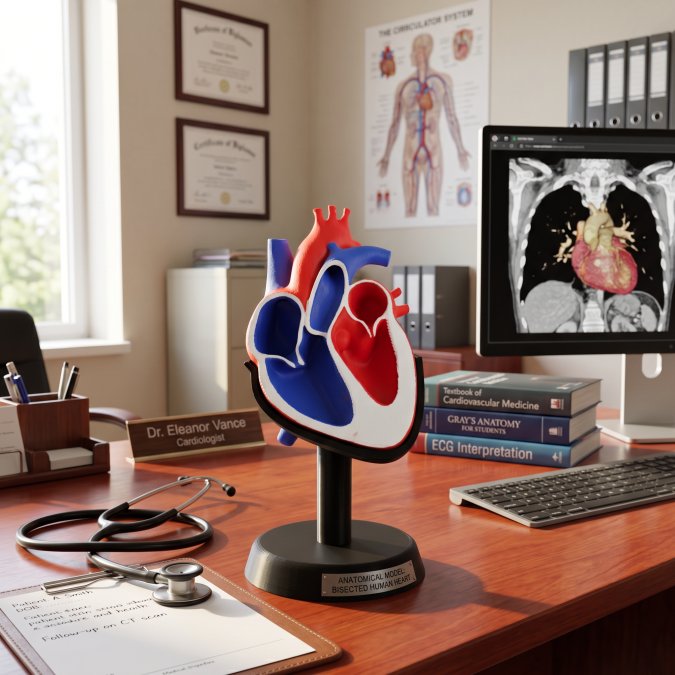
Anatomical models transform abstract concepts into tangible objects students can hold, rotate, and examine from every angle. Unlike flat diagrams in textbooks, 3D models engage multiple senses and create lasting memory pathways. A student studying the human heart benefits enormously from turning a physical model in their hands while reviewing cardiac physiology.
LumaLayer Creations specializes in custom 3D-printed anatomical models designed specifically for students and educators. These models are built to withstand repeated handling in classroom and study settings. The precision of 3D printing means students see actual anatomical detail, vessel placement, chamber structure, tissue layers, that generic plastic models often oversimplify.
The durability question matters here. Students ask whether these models hold up under constant use. The answer depends on material choice and design. High-quality 3D-printed models from LumaLayer Creations use materials selected for classroom resilience, not just visual accuracy. They’re designed to be studied, not just displayed.
3D Printed Anatomy Models: Hands-On Study Tools
3D printed anatomy models bridge the gap between 2D learning and real clinical understanding. When a biology student can hold a replica kidney in their hand and trace the nephron pathway, the concept stops being theoretical. These models work especially well for students preparing for professional programs, medical, dental, nursing, where spatial anatomy is non-negotiable.
The advantage of 3D printing is customization. A model can highlight specific structures, remove distracting elements, or scale up tiny details for clarity.
LumaLayer Creations creates models that work as both study tools and teaching aids. A student can use the same model to review for an exam and then demonstrate understanding to a study group. The tactile nature of these models makes them memorable, students retain spatial relationships better when they’ve physically manipulated them.
Biology Study Tools That Support Coursework
Biology coursework demands tools that match the specific demands of each stage and subfield. A first-year general biology student needs different study aids than a junior in organic chemistry or a senior in molecular genetics. The right study gift acknowledges both the subject matter and the actual work the student is doing.
Study tools organized by coursework type:
Anatomy and Physiology: Kinesthetic learners especially value models they can manipulate while reviewing lecture notes.
Ecology and Field Biology:
Microbiology and Cell Biology:
Genetics and Molecular Biology:
Practical considerations for study tool gifts:
Relevance to current coursework beats generic science appeal. A gift that mirrors what the student is actually studying in this semester shows genuine attention. Ask what unit they’re in now, or what their current lab project involves, then choose a tool that directly supports that work.
Organization systems reduce cognitive load. Biology students juggle multiple lab notebooks, lecture notes, and problem sets. A gift that helps them organize these materials, whether through a filing system, a structured notebook, or a digital tool, makes their actual study time more efficient.
The best study tool gifts are ones students will actually use repeatedly, not ones that sit on a shelf. Choose items that solve a real friction point in their current coursework.
Unique Science Gifts Across Different Categories
Biology is not one field, it’s dozens. A gift that resonates with a microbiology student may mean nothing to an ecology major. The strongest gifts match both the product category and the student’s actual area of focus within biology.
Gifts for students by biology subfield:
Microbiology and Infectious Disease: Students in these fields appreciate gifts that celebrate the microscopic world. Custom 3D-printed models of bacteria, viruses, or cellular organelles make abstract microscopic structures tangible. These students often enjoy dark, detailed aesthetic choices, think anatomically accurate jewelry in silver or black metal rather than bright, cartoonish designs.
Ecology and Conservation Biology: Field-focused students value gifts tied to nature observation and environmental awareness. Nature-inspired jewelry featuring leaves, insects, or animal silhouettes, and nature-themed home decor resonate with their work. A gift that acknowledges their commitment to understanding ecosystems, rather than just “biology” in general, shows you understand their specific passion.
Genetics and Molecular Biology: Students studying heredity and molecular mechanisms appreciate gifts featuring DNA helixes, chromosome structures, or molecular models. DNA-themed jewelry, custom 3D-printed models of protein structures or DNA replication machinery appeal to their focus. These students often appreciate the visual complexity of molecular structures rendered in art or jewelry.
Zoology and Animal Biology: Students focused on animal behavior, anatomy, or evolution benefit from gifts celebrating specific animal groups or anatomical systems. Custom anatomical models of animal organs, or jewelry featuring skeletal structures or animal silhouettes match their interests. A student studying marine biology appreciates different gifts than one studying entomology, specificity matters.
Botany and Plant Biology: Plant-focused students value gifts featuring botanical illustration, pressed plant specimens, or plant anatomy models. Jewelry featuring leaf or flower structures, or a custom 3D-printed model of plant tissue or root systems connects directly to their work. These students often appreciate aesthetic gifts that celebrate plant diversity and structure.
Gifts organized by student stage:
High School Biology Students: Early-stage students benefit from broad, exploratory gifts that spark curiosity across multiple biology topics. General anatomy models and science-themed apparel work well. These students are still discovering which areas of biology excite them, so gifts with broader appeal help them explore.
Undergraduate Students: Undergraduates have declared a major and are taking specialized courses. Gifts should match their current coursework or declared focus. A junior in ecology appreciates field-specific tools; one in human anatomy benefits from detailed anatomical models. This is the stage where subfield-specific gifts become most meaningful.
Graduate Students and Researchers: Advanced students have a clear research focus and often need practical tools for their specific work. A custom anatomical model tailored to their thesis research, specialized reference materials for their subfield, or lab-adjacent organizational tools show deep understanding. These students often value durability and precision over novelty.
Early-Career Professionals: Recent graduates entering research, clinical, or field positions appreciate gifts that support their professional identity. High-quality, durable items that signal expertise in their chosen subfield, whether that’s clinical anatomy, conservation biology, or molecular research, work well. These gifts often serve as both functional tools and symbols of professional commitment.
Educational Toys and Hands-On Kits
The value of a hands-on kit lies in its alignment with the student’s current learning stage. A first-year student benefits from broad exploratory kits; an advanced student appreciates kits that deepen understanding of their specific research focus. Choose kits that either support current coursework or explore a subfield the student has expressed interest in.
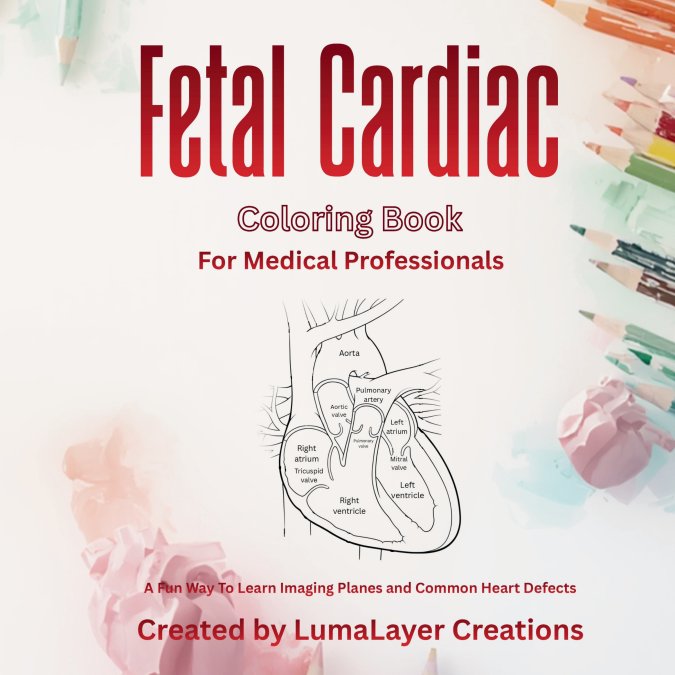
Anatomical heart coloring book
Apparel and Jewelry with a Science Edge
Wearable gifts let biology students signal their identity and passion. A DNA helix necklace, anatomically correct heart ring, or biology-themed hoodie works as both fashion and conversation starter. These pieces appeal to students who want to express their field without being heavy-handed about it.
The strongest wearable gifts match the student’s specific area of biology. A microbiology student might appreciate jewelry featuring bacterial structures; an ecology student might prefer nature-inspired designs. Gothic and science-inspired jewelry combines aesthetic appeal with scientific accuracy, a piece might feature anatomical detail rendered in dark metal or incorporate nature-inspired elements that reflect the student’s love of biology. These aren’t costume pieces; they’re wearable art for someone serious about their field.
Home Goods and Desk Accessories
A biology student’s study space benefits from items that blend function with inspiration. Nature-inspired wall art can create an environment that reinforces their commitment to the field.
How to Choose the Right Gift for a Biology Student
Start with what you know about this specific student. Are they focused on human anatomy, ecology, microbiology, or evolutionary biology? A gift tied to their actual research or coursework shows genuine attention. A pre-med student needs different tools than one pursuing field biology or marine science.
Consider their learning stage. First-year students benefit from foundational study tools and broad science gifts. Advanced students appreciate specialized items, a custom anatomical model for their thesis research, for example. Graduate students often need practical lab tools or items that support their specific research focus.
Budget matters, but so does quality. A single well-made anatomical model from LumaLayer Creations often means more than a collection of generic science trinkets. Students remember gifts that actually work, that they actually use, and that respect the seriousness of their field.
Think about durability and longevity. Will this gift survive a semester of backpack life? Will it still be relevant after the student changes labs or moves to a new program? The best gifts for biology students are ones they’ll keep, use, and value years after graduation.
Finding science gifts for biology students means looking beyond what’s trendy toward what’s genuinely useful and meaningful. At LumaLayer Creations, we create anatomical models and science-inspired goods designed specifically for students who take their field seriously. Our custom 3D-printed models bring complex structures to life, while our science-themed apparel and accessories let students express their passion. Explore our Shop to discover gifts that celebrate the biology student in your life.
Frequently Asked Questions
What are the best science gifts for biology students?
The best science gifts for biology students combine education with inspiration. Anatomical models and 3D printed anatomy models help reinforce coursework. Unique items like science-themed apparel show thoughtfulness while supporting their passion. Consider the student’s specific interests—whether they focus on cellular biology, ecology, or anatomy—and their study style when selecting a gift.
Are 3D printed anatomy models useful for studying biology?
Yes. 3D printed anatomy models transform abstract concepts into tangible objects students can examine from every angle. These models help biology students understand spatial relationships, identify structures, and retain information through hands-on interaction. Unlike flat diagrams, holding and rotating a model engages multiple learning pathways, making complex anatomical systems more memorable and easier to grasp.
What should I look for when choosing anatomical models for students?
Look for durability, accuracy, and relevance to the student’s coursework. Quality anatomical models for students should withstand frequent handling in study sessions or classroom settings. Consider whether the model covers the specific body system or structures the student is studying. Detailed labeling, appropriate scale, and clear representation of key features matter. Custom options allow you to match the gift to their exact academic focus.
How can biology study tools improve learning outcomes?
Effective biology study tools reinforce concepts through repetition, visualization, and active engagement. Models, flashcards, interactive kits, and reference materials help students organize information and test their knowledge. Tools designed specifically for biology—whether focusing on cell structure, taxonomy, or anatomy—address the unique challenges of the subject. The best study tools match the student’s learning style and current curriculum.
0 Comments