Last Updated: November 4, 2026
Quick Summary
The best independent children’s book gift ideas match a child’s reading stage rather than their age, pairing board books, picture books, early readers, or middle-grade fantasy with the reader in front of you. Shop independent bookstores and small-press catalogs, and confirm the publisher is named before you buy.
- Board books suit ages 0-2 with thick pages, rounded corners, and high-contrast art.
- Picture books for ages 2-4 should read well out loud, with rhythm mattering more than rhyme.
- Use the one-chapter test: if a child can’t read chapter one in under ten minutes, drop back a level.
- Middle-grade fantasy runs 30,000-60,000 words, so check reading level, not just the cover.
- Small presses run short print runs, so check reprint dates and shipping windows before a fixed gift date.
Table of Contents
- Why Independent Children’s Books Make Memorable Gifts
- Unique Children’s Books for Gifts by Age and Stage
- How to Choose a Children’s Book as a Gift
- Where to Find Independent Children’s Books and Support Small Presses
- Pairing a Book with a Thoughtful Extra
- Browse Original Children’s Books from LumaLayer Creations
- Frequently Asked Questions
Why Independent Children’s Books Make Memorable Gifts
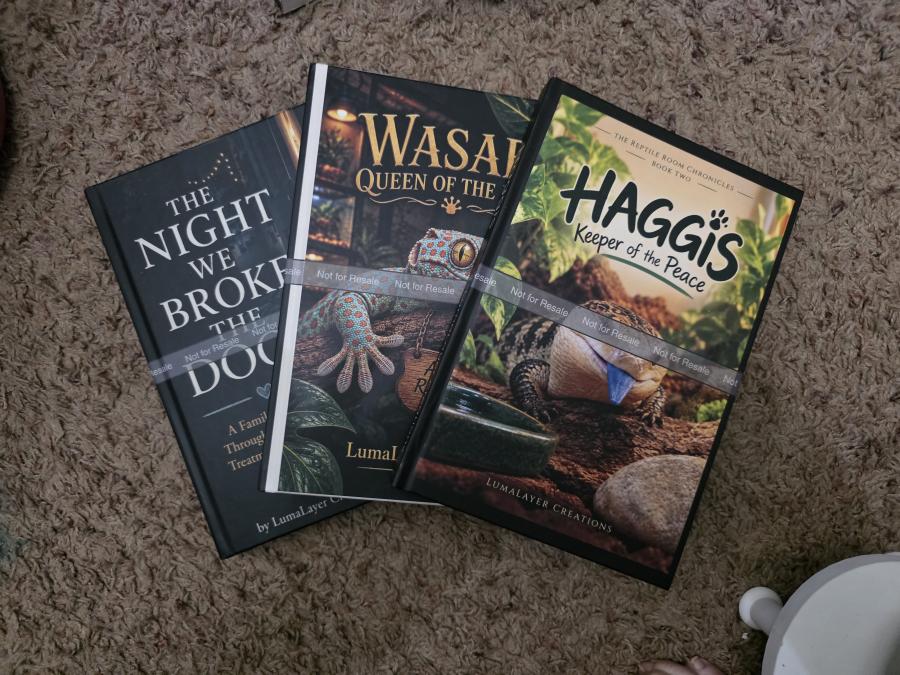
Independent children’s book gift ideas work best when they feel like a discovery rather than a default. At LumaLayer Creations, we publish our own children’s titles, so we think hard about what makes a book stick with a young reader.
Small presses often take chances bigger publishers may not: quieter stories, stranger illustrations, characters who don’t fit a marketing formula.
Below, we’ll cover unique children’s books for gifts by age and reading stage, how to choose one without guessing, and where to buy so your money supports small presses.
Unique Children’s Books for Gifts by Age and Stage
Age is the fastest filter, but reading stage matters more than a birthdate. A four-year-old read to nightly is ready for longer picture books, while a six-year-old just starting to decode words still needs short sentences and strong picture support. The table below maps format to stage; the subsections explain what to look for.
|
Age range |
Best format |
Reading-level markers |
What to look for |
Gift moment |
|---|---|---|---|---|
|
0-2 |
Board books |
0-50 words, one image per page |
Thick pages, rounded corners, high-contrast art |
Baby shower, welcome gift |
|
2-4 |
Picture books |
200-600 words, read-aloud rhythm |
Repetition, refrain, steady beat |
First birthday, holidays |
|
5-8 |
Early readers, chapter books |
500-2,000 words, short chapters |
Picture support, humor, series hook |
Milestone gift, school breaks |
|
9-12 |
Middle-grade, fantasy |
30,000-60,000 words, longer arcs |
Series potential, world-building |
Birthdays, reading rewards |
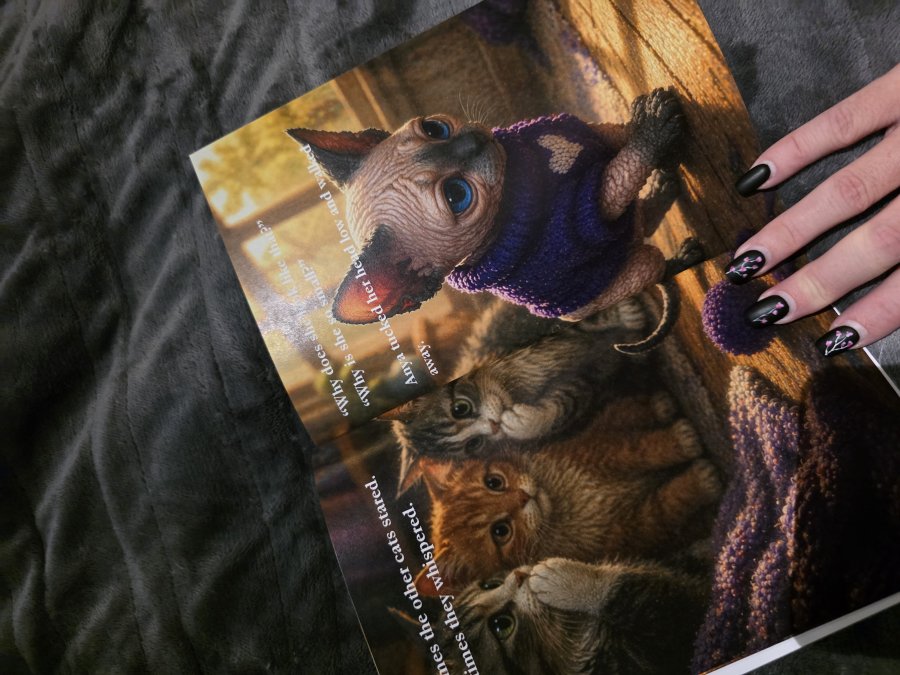
Children’s book pages
Board Books and Picture Books for Babies and Toddlers
Board books are built for hands that grab, chew, and throw. Look for thick pages, rounded corners, and high-contrast art, since early vision responds to bold shapes before fine detail. A simple, repetitive refrain becomes a favorite fast because the baby can anticipate what comes next.
Picture books for ages two to four should read well out loud, test a page aloud before buying. If the sentences trip your tongue, they’ll trip a tired parent’s at bedtime. Rhythm matters more than rhyme.
For a baby shower or first birthday, a board book paired with a small keepsake makes a milestone gift that won’t be outgrown in a month. Our own board book My Baby Needs Extra Love is the kind of gentle title we’d hand to a new parent.
Early Readers and Chapter Books for Ages 5 to 8
This is the age where reading confidence either takes off or stalls, and the book you choose can tip it either way. Early readers use short sentences, familiar words, and pictures on every page.
A common mistake is gifting a chapter book to a child still building stamina. If they can’t finish a chapter alone, the book becomes a chore. The “one-chapter test”: can the child read the first chapter in under ten minutes without frustration? If not, drop back a level.
For ages five to eight, look for:
- Short chapters ending on a small hook
- Illustrations that break up the text
- Humor or a mystery the child can solve along the way
- A series, so the gift keeps giving after book one
- A protagonist whose age matches the reader’s, which helps identification
Check whether the publisher lists a reading level or guided-reading letter on the product page.
Fantasy and Middle-Grade Novels for Ages 9 to 12
Fantasy turns readers into collectors. Middle-grade fantasy gives kids a world to map, characters to argue about, and a sequel to ask for next birthday.
When choosing fantasy for this age, check the reading level, not just the cover, a book that looks young but reads dense will sit unopened. You can browse the young adult and fantasy category to see how a series builds across titles.
A few concrete things to check before buying middle-grade fantasy from an independent press:
- Does the publisher list a page count and a reading age on the product page?
- Is the first book a complete story, or does it end on a cliffhanger?
- Are there content notes for younger readers (scary scenes, loss, violence)?
- Is the series finished, or is the author still releasing titles?
Representation matters especially in fantasy, where world-building can widen a child’s sense of who gets to be a hero, one more reason to shop small press for a nine- to twelve-year-old.
How to Choose a Children’s Book as a Gift
Choosing a children’s book as a gift comes down to four questions: who is the child, what do they already love, who will read with them, and what do the adults want more of? Answer those and the shortlist writes itself.
Start with what the child already reaches for. Dinosaurs, trucks, space, animals, a specific cartoon. A book that feeds an existing obsession gets read immediately.
Next, think about the read-aloud partner. If a grandparent will read it, larger type and shorter pages help.
Watch out for the trap of gifting your own childhood favorite to a child who won’t connect with it. A lesser-known title chosen for this specific kid often lands harder.
A quick checklist before you buy:
- Does the format match the child’s reading stage?
- Does the subject connect to something the child already loves?
- Can the child or a reading partner finish it comfortably?
- Is it part of a series if the child likes to keep going?
- Does the story reflect the child’s world or widen it in a respectful way?
Representation belongs on that list. A child who sees themselves in a story reads differently than one who never does.
Where to Find Independent Children’s Books and Support Small Presses
Independent bookstores and small-press catalogs are the two best places to find titles that don’t appear in big-box displays. Independent bookstores curate by hand, and staff will often point you to a small-press book that fits the child you’re describing. Bring the child’s age, two interests, and one format preference, and ask for a recommendation that fits all three.
Publisher websites are another route to explore. Our guide to ordering unique independent children’s books online covers the practical steps.
Beyond those two channels, these are the places independent children’s books actually surface:
- Independent bookstore websites and newsletters. Many independents post staff-picks lists and themed gift guides; subscribing to two or three in your region is the fastest way to see small-press titles early.
- Publisher-direct shops. Small presses often sell signed or gift editions directly.
- Book fairs and literary festivals. Regional book fairs and children’s literature festivals are where independent authors and illustrators appear in person.
- Author and illustrator websites. Independent authors frequently sell directly and offer bookplates or signed copies retailers can’t match.
- Library and school book clubs. Many independents partner with schools and libraries on author visits.
Practical buying details worth checking before you commit:
- Format and trim size. Confirm the format matches the child’s stage before ordering.
- Availability and reprint status. Small presses run short print runs, so a title can go out of stock for months. Check whether the publisher lists a reprint date.
- Shipping windows. Publisher-direct orders often ship slower than large retailers; order earlier if the gift has a fixed date.
One warning worth stating plainly: Watch out: for listings that show a stock photo and a generic description with no publisher named. Check that the publisher is named before you check out, and look for a publisher website you can visit to confirm the title is real and in print.
Pairing a Book with a Thoughtful Extra
A book bundle turns a nice gift into a memorable one, and the best pairings share a theme rather than just filling a basket.
For younger kids, a coloring book tied to the same theme adds a second activity. Families with a baby on the way often build a small basket around one board book, a soft blanket, and a note for the parents.
Our Cottagecore Reptile Coloring Book is the kind of companion we’d tuck beside a nature-themed picture book, since the two share a mood even when the ages differ.
Browse Original Children’s Books from LumaLayer Creations
Finding a book that fits one child takes a little thought, and that’s the point. The best independent children’s book gift ideas are chosen for a specific reader, not pulled from a shelf of bestsellers.
If you’d rather start with a curated shelf than a search bar, we can help. LumaLayer Creations publishes original children’s books, and our catalog is built for readers who want something a little different. Browse the shop to find a title for the next baby shower, first birthday, or milestone gift on your list.
Browse the shop to see the full collection of original children’s books and pick the one that fits your reader.
Frequently Asked Questions
What are some good children’s books to give as gifts?
Look for titles from independent publishers and small presses, which often carry distinctive stories and illustrations you won’t find on bestseller shelves. Match the book to the child’s age and reading stage: board books for babies, picture books for toddlers, early readers for ages 5 to 8, and fantasy or middle-grade novels for ages 9 to 12. Signed copies from indie authors can make children’s book gifts feel especially thoughtful.
How do I find high-quality independent children’s literature?
Start with independent bookstores, which curate small-press and self-published titles alongside classics. Ask staff for lesser-known favorites, browse publisher catalogs directly, and check author websites for signed editions. Look for books with strong reviews from educators and librarians, and read sample pages when available. Many independent authors also sell through their own shops, so you can buy directly and often request personalization.
What makes a children’s book a good gift?
A good gift book fits the recipient’s age range and reading level, has engaging illustrations or a gripping story, and feels personal. Consider the occasion: a baby shower calls for a durable board book, a first birthday suits a picture book with read-aloud rhythm, and older readers enjoy fantasy novels with series potential. Adding a note about why you chose the book turns it into a milestone gift the family remembers.
How can I support independent authors when buying gifts for kids?
Buy directly from independent authors and small presses when possible, since that keeps more of the purchase with the creator. Shop at independent bookstores, request titles they don’t stock, and leave reviews for books you love. Gift bundles that include a book plus a small handmade extra, like a bookmark or coloring companion, also help spotlight indie creators and make the present feel distinctive.

0 Comments