

Table of Contents
- Start With Curiosity, Not a Category
- A Four-Question Method for Finding Genuinely Unique Science Gifts
- Hands-On Science Gifts That Reward Real Use
- Science Gifts for Adults Who Already Know the Basics
- Anatomical Models for Educators Who Teach With Their Hands
- Science Gifts for Teachers That Survive the School Year
- Budget Tiers, Personalization, and What to Skip
- Conclusion
- Frequently Asked Questions
Last Updated: October 22, 2026
Start With Curiosity, Not a Category
Most science gifts fail for one reason: they were bought by category, not by curiosity. The shopper searched “science gifts,” grabbed a kit, and handed over something the recipient will never open twice.
We build science gifts at LumaLayer Creations, and we have watched enough gift-givers get this wrong to know the pattern. The best science gifts do not announce themselves as educational. They answer a question the recipient already asks out loud.
So before you browse, ask one thing: what does this person talk about when nobody is grading them?
That single question beats every gift guide, including this one. Here is how to use it.
A Four-Question Method for Finding Genuinely Unique Science Gifts
Unique science gifts come from observation, not from a shelf. Answer four questions about the recipient and the right object usually becomes obvious. The point of writing the answers down is that the four answers combine into a single gift direction, not four separate guesses.
- What do they read, watch, or tinker with unprompted?
- Do they want to display, build, or learn?
- What is their current level of knowledge?
- What is your budget?
Write the answers down. Most people discover they already know the gift.
Question 1: What Do They Actually Read, Watch, or Tinker With?
Look for repeat behavior, not stated interest. A person who says they love astronomy but never looks up is different from someone who keeps a stargazing app open.
Common signals worth noticing:
- Bookmarked articles or saved videos on one narrow topic
- Half-finished projects on a desk or workbench
- A favorite museum exhibit they mention more than once
- Questions they ask that start with “why does…”
The narrow topic is your gift category. The narrowest interest makes the most memorable present.
Question 2: Do They Want to Display, Build, or Learn?
This is where most gift guides collapse everything into “kits.” Not every curious person wants to assemble something.
|
Recipient type |
What they want |
Gift direction |
|---|---|---|
|
Display |
Something to look at daily |
Sculptures, models, framed prints, apparel |
|
Build |
A project with a finish line |
Model kits, puzzles, 3D-printed assembly pieces |
|
Learn |
A new skill or fact |
Books, courses, hands-on experiment kits |
|
Collect |
A rare or personal object |
Custom or personalized pieces |
Pick one lane. A builder given a display piece feels handled, not seen.
Question 3: What Is Their Current Level of Knowledge?
Match the difficulty to the person, not to the box art. A beginner needs a clear win in the first session; an experienced hobbyist needs a detail or mechanism they have not already mastered. The most common mismatch is buying one level below the recipient, which is why so many adult experiment kits sit unopened.
A quick calibration: ask them to explain their favorite topic for two minutes. If they reach for jargon and caveats, they are past beginner level. If they describe it in plain terms with obvious enthusiasm, a well-designed beginner kit will still land.
Question 4: What Is Your Budget?
Budget should shape the gift, not shrink it. Set the number before you browse so you compare within a tier instead of talking yourself upward. The next section breaks the tiers down by what each one realistically buys.
Turn the Answers Into a Discipline Shortlist
Once you have the four answers, route the interest into a discipline. This is the step most gift guides skip, and it is the fastest way to move from “science” to a specific object.
|
Discipline |
Signals to look for |
Gift directions that fit |
|---|---|---|
|
Astronomy |
Stargazing apps, planet photos, telescope talk |
Star charts, scale models, sky-themed prints |
|
Biology and anatomy |
Health questions, nature walks, anatomy references |
Anatomical models, botanical prints, field guides |
|
Chemistry |
Kitchen experiments, element humor, lab glassware |
Molecule models, element-themed decor, safe home experiment kits |
|
Physics |
How-things-work questions, mechanical toys, space and time |
Desk pieces that balance or move, mechanics puzzles |
|
Geology and earth science |
Rock collecting, maps, hiking |
Mineral specimens, topographic maps, fossil replicas |
|
Engineering and coding |
Tinkering, repair projects, robotics |
Build kits with a physical output, mechanical puzzles |
Cross the discipline with the display/build/learn answer and you have a shortlist of two or three directions. From there, the specific object is a matter of taste and budget.
Hands-On Science Gifts That Reward Real Use
Hands-on science gifts work when the finished object is worth keeping. A kit that ends in a mess teaches once. A kit that ends in something the recipient displays teaches every time someone asks about it.
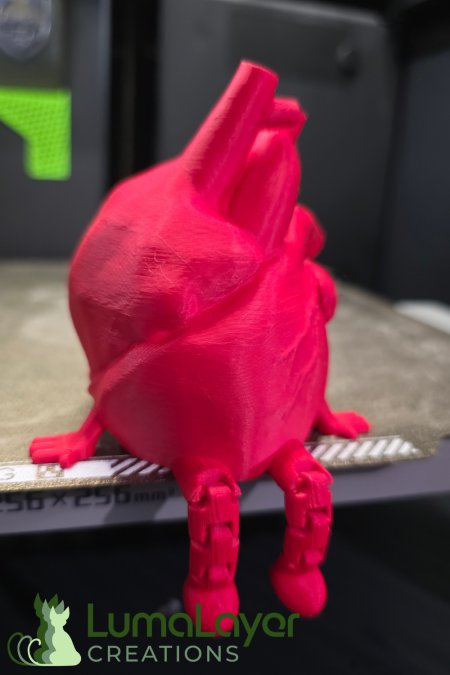
Strong hands-on directions include:
- Anatomy and biology builds that produce a model worth keeping on a shelf
Science Gifts for Adults Who Already Know the Basics
Science gifts for adults are harder than gifts for beginners, because the obvious options are already owned. A working scientist does not need another poster of the periodic table.
What lands instead:
- Precision over novelty. A well-made model or tool beats a gag gift.
- Personal relevance. Something tied to their specific field or research interest.
- Craft quality. Adults notice how a thing is made.
Custom 3D-printed pieces fit this gap well. A model of a specific structure, printed to order, says more than a mass-produced ornament ever will. The same logic applies to gothic and cosplay accessories: personal taste, executed with care, reads as respect rather than guesswork.
If you are shopping for a colleague or mentor, lean toward display pieces. They are safe, personal, and easy to keep.
Anatomical Models for Educators Who Teach With Their Hands
Anatomical models for educators are working tools, not decor. A model that cannot survive a classroom gets retired by October.
Teachers and clinical instructors need three things: durability, accuracy, and something students can physically handle. Printed models can be made in specific structures and sizes, which matters when a standard catalog model does not show the detail a lesson needs.
What to check before buying:
- Can it be handled repeatedly without parts snapping off?
- Does it show the specific structure being taught?
- Is the scale right for a classroom demonstration?
- Can it be customized to a lesson or a case?
That last point is where custom work earns its place. A model built around one instructor’s syllabus gets used every term.
Science Gifts for Teachers That Survive the School Year
Science gifts for teachers should survive a full year of student hands. Practical beats pretty here.
Good options:
- Durable demonstration models for repeated handling
- Coloring and activity materials for quiet classroom moments
Budget Tiers, Personalization, and What to Skip
Budget should shape the gift, not shrink it. A small, well-chosen item beats an expensive generic one every time. The useful question at each tier is not “what costs this much” but “what does this amount actually buy in quality and specificity.”
What Each Tier Realistically Buys
- Lower budget: puzzles, brain teasers, small accessories, coloring materials, and single small printed pieces. At this level, specificity matters more than size. A puzzle built around one narrow topic beats a bigger generic set.
- Mid budget: apparel, desk sculptures, single model kits, and small made-to-order pieces. This is the widest tier, and it is where craft quality separates a gift that lasts from one that gets retired.
- Higher budget: custom or personalized pieces, larger anatomical models, and made-to-order designs. At this level you are paying for fit, not volume, so ask what can be specified.
How to Judge Whether an Item Is Worth Its Price
Price tracks three things: material, complexity, and the amount of customization. A higher price is justified when the item is built around the recipient’s specific interest, uses materials that survive handling, and comes from a maker who will answer questions about how it was made. A higher price is not justified by packaging, branding, or a larger box with the same contents.
A practical test: compare two items at the same tier and ask which one the recipient would still keep in two years. Durability and personal relevance are the two factors that predict that answer.
Personalization Is the Cheapest Way to Make Any Tier Feel Unique
A name, a specific structure, a favorite species, a chosen color. Handmade and made-to-order items carry weight that mass-produced goods cannot match because the recipient can tell the object was specified for them.
Good personalization prompts to bring to a maker:
- A specific structure, species, or object tied to their field
- A color or finish that matches something they already own
- A scale that fits where the piece will live
- A detail from a project, lesson, or paper they care about
What to Skip
- Duplicates of something the recipient already owns
- Anything that requires a subscription to stay useful
- Fragile pieces for anyone who will handle them daily
Pricing for custom and made-to-order pieces varies with complexity, size, and finish, so check the studio’s shop for current details before you commit.
Conclusion
The hardest part of gift shopping for curious people is trusting your own observations over a search bar. You already know what they read, build, and ask about. Use that.
At LumaLayer Creations, we make original 3D-printed designs, custom anatomical models for educators, and imaginative books and coloring materials for people who blend science, fantasy, and curiosity. Every piece is made to order in our studio, so you can ask for the specific structure, color, or detail that makes the gift theirs.
Explore our shop and find the piece that matches the person you have in mind.
Frequently Asked Questions
How do you choose a science gift that matches someone’s interests?
Ask three things before you shop: what they read or watch for fun, whether they prefer building or learning, and where the gift will live. Someone who follows paleontology documentaries but never builds anything will get more from a display piece than a kit. Someone who repairs things on weekends will appreciate a model they can assemble. Match the format to the habit, not to the broad label of science, and the gift lands closer to the mark.
What are thoughtful science gifts for teachers?
Teachers get the most from items that hold up to repeated handling and pack away easily. Durable anatomical models get used. Ask what subject they teach and whether they need demonstration pieces or personal items. A gift that survives a full school year of student hands is worth more than something fragile that stays in a cabinet.
Are hands-on science gifts a good choice for adults?
Yes, when the adult actually likes making things. Hands-on science gifts for adults work best when they involve a real skill, such as assembling a model. Adults who already know the fundamentals often prefer a well-made object they can display or a challenge that takes more than an evening.
How can I find a genuinely unique gift instead of another generic science item?
Look at small studios and independent makers before mass-market retailers. Independent shops tend to produce smaller runs, offer personalization, and specialize in one area, such as 3D-printed anatomical models or themed apparel. Read the product description for materials, durability, and customization options, and check whether the maker answers questions directly. A specific, well-documented item from a small studio is harder to duplicate than a generic kit.
0 Comments