

Table of Contents
- What Makes a Colored Pencil Good for Detailed Coloring Books
- Soft Core vs Hard Core: Which Works Best for Intricate Coloring Pages
- Colored Pencils for Fine Details: Precision, Point Retention, and Control
- Prismacolor vs. Faber-Castell Colored Pencils: A Side-by-Side Comparison
- Colored Pencil Sharpener for Fine Points: What to Look For
- Colored Pencil Blending Techniques for Smooth, Vibrant Results
- How to Test Colored Pencils on Thin Coloring Book Paper
- Frequently Asked Questions
Last Updated: October 7, 2026
What Makes a Colored Pencil Good for Detailed Coloring Books
A colored pencil built for detailed coloring books needs three things: a core that holds a sharp point, pigment that lays down evenly in small spaces, and a comfortable barrel. Everything else is preference.
group of three childrens books
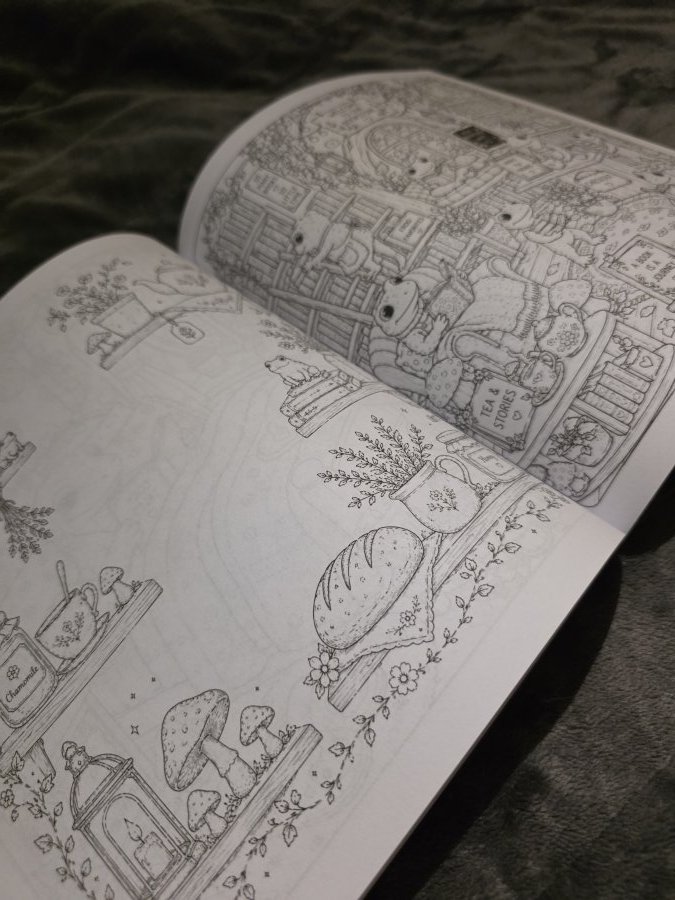
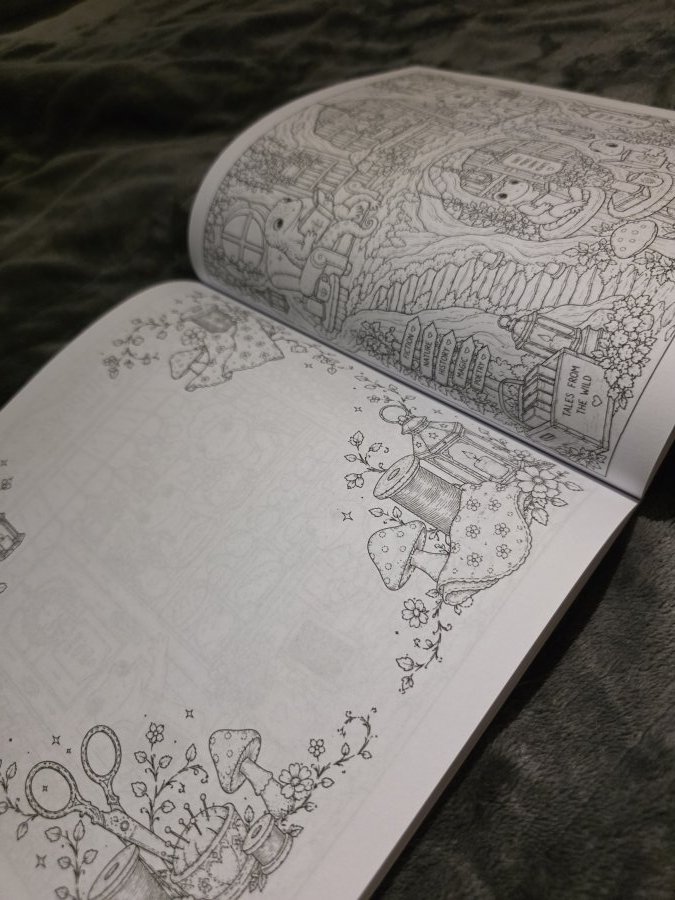
Adult coloring books pack dozens of tiny shapes into a single page, and a pencil that performs well on a broad landscape sketch can still crumble inside a quarter-inch petal. At LumaLayer Creations, we spend a lot of time around intricate line art, both in the cottagecore reptile coloring books we publish and in the artwork our customers share with us.
Colored pencils are a pigment core bonded with wax or oil and wrapped in wood or a synthetic barrel. The binder determines how the pencil feels, how it layers, and how well it resists breaking.
Three qualities decide whether a pencil suits intricate work:
- Point retention: how long the tip survives before you sharpen again
- Pigment load: how much color one light pass deposits
- Core consistency: whether the lead crumbles or snaps under normal pressure
Get those right and the rest of the decision gets much easier.
Soft Core vs Hard Core: Which Works Best for Intricate Coloring Pages
Hard-core pencils win for detailed coloring books, but soft cores earn their place in the same set. Most experienced colorists keep both within reach.
A hard core holds a fine point longer and resists smudging, making it the better tool for tight linework, small geometric shapes, and any area where you need control.
Soft cores deposit pigment fast and blend beautifully. They also dull quickly and can leave waxy buildup that fills in fine paper texture.
A practical split:
- Hard core: outlines, tiny shapes, sharp edges, first layers
- Soft core: shading, gradients, burnishing at the end
- Medium core: the everyday workhorse for most coloring pages
Colored Pencils for Fine Details: Precision, Point Retention, and Control
Fine detail work rewards point retention above all else. A pencil that needs sharpening every thirty seconds breaks your rhythm and leaves inconsistent line weights across a single shape.
Colored pencils for fine details should be sharpened to a long, gradual taper rather than a stubby cone. The taper gives you a thin tip with more support behind it, so the point survives contact with textured paper.
How to compare point retention between two pencils
You do not need lab equipment to rank pencils for fine work. Use the same paper, sharpener, and stroke for every pencil so the comparison is reproducible:
- Sharpen the pencil to a long taper and note the starting tip.
- On a scrap of your coloring book paper, draw a single continuous line about six inches long at light, even pressure.
- Draw a second line directly beside it, then a third, without re-sharpening.
- Stop when the line width visibly doubles or the tip skips.
- Count how many six-inch lines you got before the point failed.
A hard, oil-based core typically holds a usable point for several times as many lines as a soft wax core before the width doubles. That ratio, not a brand name, tells you whether a pencil belongs in your fine-detail rotation.
Filling tiny printed shapes without crossing the outline
Most intricate pages are printed with outlines thinner than a freshly sharpened tip, so control comes from how you approach the shape, not just how sharp the lead is:
- Work from the outline inward. Trace just inside the printed line first with a light pass, then fill the center. This keeps pigment off the outline and gives you a boundary to build against.
- Color in one direction per shape. Changing stroke direction mid-shape leaves overlapping edges that read as darker seams in small areas.
- Use the side of the tip for fill, the point for edges. Rolling the pencil slightly onto its side covers a small area faster without dulling the point you need for the next outline.
- Stop short of the line, not on it. Leaving a hair of paper between pigment and outline is easier to correct than pigment that has bled over.
Three habits that protect a fine point:
- Rotate the pencil slightly as you color to wear the tip evenly
- Use short, controlled strokes instead of long sweeping ones
- Keep a sharpener within reach and touch up the point before it fully dulls
group of eight childrens books
Prismacolor vs. Faber-Castell Colored Pencils: A Side-by-Side Comparison
Prismacolor and Faber-Castell represent the two dominant approaches to artist-grade colored pencils, and the Prismacolor vs. Faber-Castell colored pencils debate comes down to core softness and how you build color.
Prismacolor Premier pencils use a soft, wax-based core with heavy pigment.
Faber-Castell Polychromos pencils use an oil-based core that is noticeably harder.
|
Feature |
Prismacolor Premier |
Faber-Castell Polychromos |
|---|---|---|
|
Core type |
Wax-based, soft |
Oil-based, hard |
|
Point retention |
Lower |
Higher |
|
Color payoff per pass |
High |
Moderate |
|
Blending ease |
Very easy |
Requires layering |
|
Best for |
Shading, gradients |
Fine detail, outlines |
|
Breakage risk |
Higher |
Lower |
Neither is objectively better. If your coloring pages lean toward large shaded areas, the softer core saves time. If they lean toward intricate linework, the harder core keeps your points sharp.
Colored Pencil Sharpener for Fine Points: What to Look For
A colored pencil sharpener for fine points needs a sharp, replaceable blade and a housing that grips the barrel straight. A wobbly sharpener produces an uneven tip, and an uneven tip breaks.
Sharpener quality matters more with soft cores than hard ones. A dull blade crushes a wax-based lead instead of shaving it, and crushed lead cracks along its length.
Colored Pencil Blending Techniques for Smooth, Vibrant Results
Colored pencil blending techniques fall into two families: dry methods that keep paper texture visible and solvent methods that dissolve the binder for a painted look.
Dry blending is safer for detailed coloring books. Layer two colors side by side, then work a light-colored pencil or blending stump over the seam in small circles.
Solvent blending uses a brush dipped in odorless mineral spirits or a commercial blending marker. It smooths wax-based pencils quickly, but can bleed past thin outlines and warp lightweight paper.
A workable order for intricate pages:
- Lay down light base layers with a hard-core pencil
- Build midtones with a medium or soft core
- Blend seams with a light pencil in small circles
- Burnish only the finished areas
How to Test Colored Pencils on Thin Coloring Book Paper
Thin coloring book paper exposes every weakness a pencil has. It cockles under heavy pressure, shows wax bloom, and tears if you burnish too aggressively. Most pencil reviews test on heavy artist paper, which hides all three problems, so a pencil that feels wonderful in a review can still ghost through the back of a coloring book page.
Test any new pencil on the cheapest paper you own before committing it to a finished page. Draw a small graduated swatch, pressing lightly at one end and firmly at the other.
A repeatable thin-paper test
Use the same sheet, sharpener, and pressure for every pencil so results are comparable:
- Show-through test. Draw a solid one-inch square at moderate pressure, then flip the page. Rate how much the color reads on the back. Wax-heavy soft cores ghost more than oil-based hard cores at the same pressure.
- Cockling test. Draw the same square again and watch the paper from a low angle. If it ripples and will not flatten, that pencil is pushing too much wax for this paper.
- Wax bloom test. Leave the swatch for a day, then look at it under a light. A cloudy, hazy film on top is wax bloom, pigment binder rising to the surface. It wipes off, but it dulls the color underneath and can transfer to facing pages.
- Layering test. Add two more light layers over the square. Count how many passes it takes before the surface stops accepting pigment and starts to smear.
- Burnish test. Press hard with a pale pencil over the layered square. If the paper fibers lift or the outline bleeds, that pencil is a poor match for this book.
What each result tells you
|
Test result |
What it means |
What to do |
|---|---|---|
|
Patchy under light pressure |
Low pigment load |
Switch to a softer core |
|
Paper buckles easily |
Too much pressure or too soft a lead |
Lighten your stroke |
|
Color sits on top |
Hard core on smooth paper |
Add a paper with more tooth |
|
Fine lines blur |
Wax buildup |
Clean the tip, reduce layers |
|
Color ghosts through the back |
High wax content at your pressure |
Reduce pressure or switch to an oil-based core |
|
Hazy film after a day |
Wax bloom |
Wipe gently and store pages flat |
Matching pencil to page type
Not every detailed page stresses paper the same way. A page packed with tiny mandala segments rewards point retention and low pressure, so a hard oil-based core is the safer pick.
The American Society for Testing and Materials standards for art materials cover lightfastness labeling, which tells you how much a pigment will fade over time. For coloring pages you plan to frame or display, that label matters more than brand name.
Frequently Asked Questions
What are the best colored pencils for detailed coloring books?
The best colored pencils for detailed coloring books balance a soft enough core for smooth layering with enough point strength to hold a fine tip. Wax-based pencils with a medium-soft core work well for blending and filling small spaces, while harder cores resist breakage on thin paper. Look for sets that offer a broad color range and individual pencils you can replace as they wear down.
Is Prismacolor or Faber-Castell better for detailed coloring?
Prismacolor pencils have a softer, wax-based core that lays down vivid color quickly and blends easily, which suits large areas and smooth shading. Faber-Castell pencils, especially the Polychromos line, use a harder oil-based core that holds a sharp point longer and resists smudging, making them a strong choice for fine details and thin paper. Many colorists keep both on hand for different tasks.
How do you keep colored pencils sharp for detailed coloring?
Use a quality sharpener with a sharp steel blade and a clean, snug fit around the barrel. Twist slowly and steadily to avoid snapping the core, and sharpen over a trash can to catch debris. Rotate the pencil slightly as you sharpen for an even point. Soft-core pencils may need gentler pressure, while harder cores tolerate more. Replace dull blades promptly, since a dull blade causes more breakage than the pencil itself.
Are soft or hard colored pencils better for intricate coloring pages?
Hard-core pencils generally work better for intricate coloring pages because they hold a sharp point longer and let you fill tiny spaces without slipping outside the lines. Soft-core pencils are better for blending, burnishing, and covering larger areas with rich color. A practical approach is to use hard pencils for outlines and small details, then switch to soft pencils for shading and filling broader sections of the page.
Detailed coloring books ask a lot from a pencil, and the wrong choice shows up fast in cramped linework and buckling paper. LumaLayer Creations publishes coloring books designed for exactly this kind of slow, careful work, and our shop carries the kind of tactile, handcrafted pieces that pair well with a long coloring session. Explore our Shop to see our cottagecore reptile coloring books and original 3D-printed designs, all made in our independent studio.
0 Comments