

Last Updated: November 12, 2026
Quick Summary
Prevent colored pencil breakage on intricate pages by using a helical cutter sharpener in short bursts, applying light pressure through many thin layers, and storing pencils flat so the core stays settled. Keep pencils short, hold them closer to the tip for support, and set aside any dropped pencil for a day before sharpening.
- A helical cutter shaves wood and core in small bites instead of shearing them.
- Sharpen in short bursts of a few turns, then check the tip.
- Let the tip barely touch the paper and build color through repeated light passes.
- Hold the pencil closer to the point to support long tips.
- After dropping a pencil, set it aside for a day before sharpening.
Table of Contents
- Why Colored Pencil Breakage Ruins Intricate Pages
- Pick the Best Sharpener for Colored Pencils
- Master Colored Pencil Pressure Control for Fine Detail
- How to Fix Broken Colored Pencil Lead and Keep It Intact
- Frequently Asked Questions
Why Colored Pencil Breakage Ruins Intricate Pages
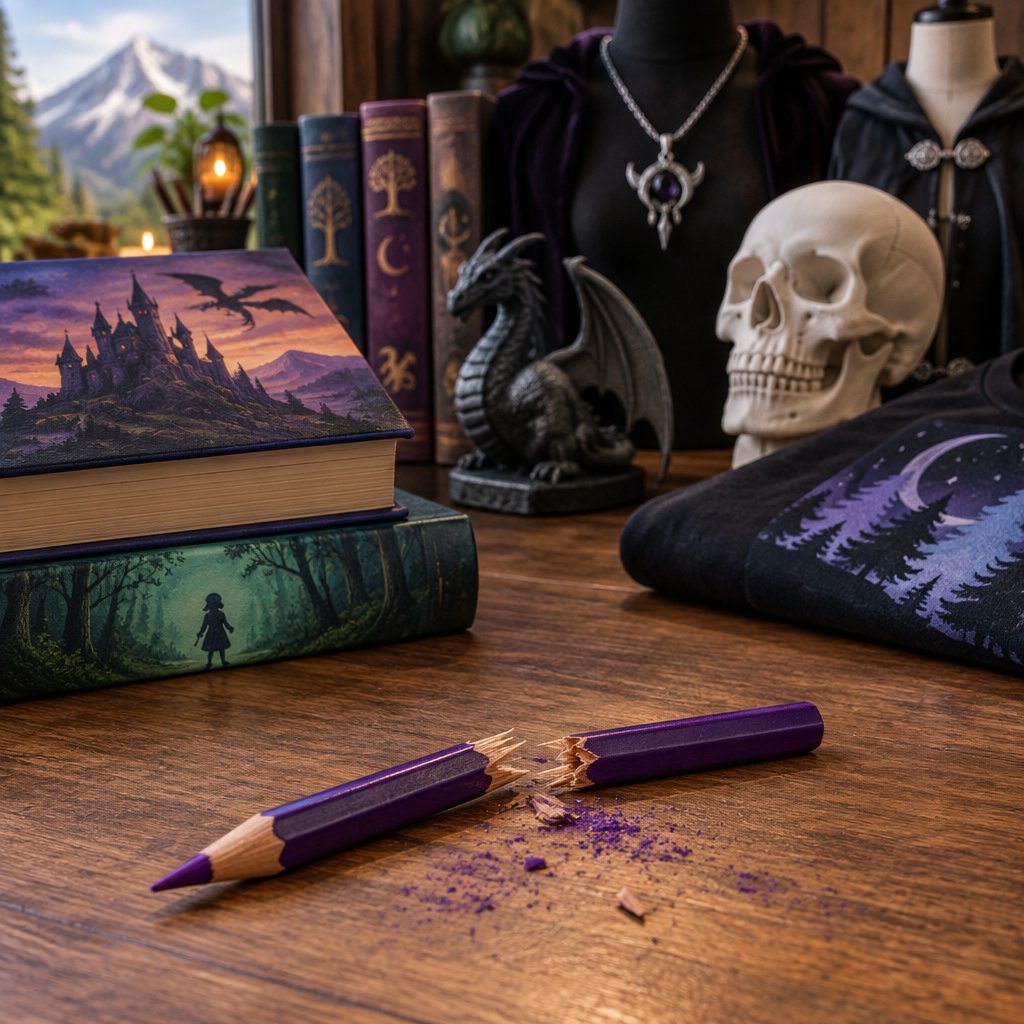
Colored pencil breakage is the sudden snapping of the pigment core inside the wood casing, and on intricate pages it can destroy hours of work in a single stroke. Artists often lose fine detail lines to a crumbling tip right at the worst moment. A snapped core drags grit across the paper, smears nearby color layers, and forces you to rebuild a section you had already blended smooth.
The stakes are higher than they look. Intricate work depends on light pressure and many thin color layers, so a broken tip often means starting that area over. The good news: most breakage is preventable, and the fixes are simple.

Coloring a coloring book
Pick the Best Sharpener for Colored Pencils
The best sharpener for colored pencils is a helical cutter model, because it shaves the wood and core in small bites instead of shearing them. Artists on the r/ColoredPencils community report that switching from a standard blade sharpener to a helical cutter resolved persistent lead breakage completely.
Here is what to look for:
- Helical cutters that nibble rather than slice
- A sharp, clean blade (dull blades crush the core)
- Short sharpening bursts of a few turns, then check the tip
- A dedicated pencil sharpener you do not use on graphite
If you are still deciding which pencils to pair with it, our guide to the best colored pencils for detailed coloring books covers which cores sharpen cleanly and resist snapping.
Master Colored Pencil Pressure Control for Fine Detail
Colored pencil pressure control is the practice of letting the tip barely touch the paper, building color through repeated light passes instead of one hard stroke. Light pressure keeps the paper tooth intact and puts far less stress on the core.
Try this method:
- Rest the pencil in your non-dominant hand and rotate the sharpener around it, a technique shared on Stack Exchange’s Crafts forum.
- Hold the pencil at a low angle for fine lines.
- Build color in thin layers, letting each pass dry before the next.
- Switch to a firmer lead for tight, intricate areas, since harder cores snap less often.

For pages built for this kind of fine work, the Cottagecore Reptile Coloring Book offers intricate detail suited to light-pressure technique.
How to Fix Broken Colored Pencil Lead and Keep It Intact
Knowing how to fix broken colored pencil lead starts with prevention: keep pencils short, sharpen gently, and store them flat so the core does not rattle loose. When a tip does snap, do not dig at it with a blade.
Follow these steps:
- Clear the broken tip with short, gentle sharpener turns.
- Stop sharpening the moment you reach solid core.
- Support long tips by holding the pencil closer to the point.
- Drop a broken pencil? Set it aside for a day before sharpening, so any internal crack settles.
A quick reference:
|
Problem |
Likely Cause |
Fix |
|---|---|---|
|
Core snaps while sharpening |
Dull blade or hard pressure |
Use a helical cutter, short bursts |
|
Tip breaks mid-stroke |
Too much pressure, long tip |
Lighten pressure, hold lower |
|
Grit smears the page |
Crushed core |
Sharpen gently, wipe the tip |
If you want a tidy home for your pencils between sessions, a custom 3D-printed tray or stand can keep them stored flat.
Breakage does not have to end your session. At LumaLayer Creations, we create coloring books and original designs for artists who care about fine detail, from our cottagecore reptile coloring books to our independently published fantasy titles. Explore our Shop and find a page worth protecting.
Frequently Asked Questions
Why do my colored pencils keep breaking when I sharpen them?
Most sharpening breakage comes from the blade applying shearing force to a brittle core. Standard sharpeners cut with a straight blade that can snap wax-based or soft leads, especially near the tip. A helical cutter sharpener shaves wood and lead in small bites instead, which reduces stress on the core. Also check for a dropped pencil: a hairline crack inside the barrel will keep breaking until you sharpen past it.
How does paper texture affect colored pencil breakage on detailed areas?
Paper tooth is the raised texture that grabs pigment. On smooth paper, the pencil tip skids and you press harder to deposit color, which snaps fragile leads. A paper with moderate tooth holds light layers so you can build color gradually with less pressure. For intricate pages, match a softer pencil to textured paper and a harder pencil to smooth paper so the tip does not dig in and break.
How do I color small, intricate spaces without snapping the lead?
Hold the pencil stationary in your non-dominant hand and rotate the sharpener around it, or turn the page instead of the pencil, so the tip stays supported. Use short strokes and light pressure, building color in repeated light layers rather than one heavy pass. Keep a long, sharp point with a helical sharpener and stop before the tip gets needle-thin, which is the most fragile state for any colored pencil.

0 Comments