
Table of Contents
- Why Ordering Unique Independent Children’s Books Online Is Worth the Effort
- Children’s Book Recommendations by Age: A Practical Starting Point
- How to Find Independent Children’s Book Publishers and Their Titles
- Personalized Children’s Books: What You Gain and What You Give Up
- Step by Step: How to Order from an Independent Bookseller Online
- 1. Start with a discovery source, not a search engine
- 2. Confirm the book is genuinely independent
- 3. Match the format to the child, not just the age
- 4. Verify stock status before you commit
- 5. Read the shipping and return terms in full
- 6. Decide on personalization before you pay
- 7. Complete checkout and save everything
- Shipping, Returns, and Worldwide Availability: What to Check Before You Buy
- Assessing Quality Before You Buy: Formats, Reviews, and Inclusive Stories
- Conclusion
- Frequently Asked Questions
Last Updated: October 16, 2026
Why Ordering Unique Independent Children’s Books Online Is Worth the Effort
Ordering unique independent children’s books online is the most direct way to find titles that big-box retailers never stock. At LumaLayer Creations, we publish our own children’s books and know how much care goes into every page. A mainstream store carries what sells in volume. An independent publisher carries what a specific child will actually love, whether that’s a quiet story about a reptile garden or a picture book with hand-painted art. The trade-off is that you have to know where to look and how to order. Below, we’ll show you exactly how to browse, verify, and buy with confidence.
American Booksellers Association guide to shopping indie bookstores
Children’s Book Recommendations by Age: A Practical Starting Point
Age range matters more than reading level when you’re choosing for a child. A book that’s too advanced frustrates; one that’s too simple bores. Use this as your filter:
Ages 0-3: Board Books and First Picture Books
Look for thick pages, rounded corners, and high-contrast art. Simple rhymes and repeating sounds hold attention best.
Ages 4-8: Picture Books and Early Readers
Story matters now. Independent publishers often print picture books with unusual themes, from ocean creatures to fantasy worlds, that mass-market imprints skip.
Ages 9-12: Illustrated Chapter Books and Middle Grade
Chapter books with occasional illustrations bridge the gap. This is where diverse stories and inclusive characters become especially important for young readers building their own identity.
|
Age Range |
Format |
What to Look For |
|---|---|---|
|
0-3 |
Board books |
Thick pages, high-contrast art |
|
4-8 |
Picture books |
Strong story, distinctive illustration |
|
9-12 |
Chapter books |
Inclusive characters, series potential |
How to Find Independent Children’s Book Publishers and Their Titles
Independent children’s book publishers usually sell through their own websites or a small number of curated shops. Start with publisher directories and bookseller associations, then browse each publisher’s catalog directly. Many list new titles, backlist classics, and award-winning books in one place.
How to Verify a Book Is Genuinely Independent
A common mistake is assuming “small” means “independent.” Check the copyright page for the publisher’s name, then search that name. If the same company owns dozens of imprints, it’s a large house. Genuinely independent publishers typically list their own authors, illustrators, and printing details, and they respond to questions themselves.
Personalized Children’s Books: What You Gain and What You Give Up
Personalized children’s books put a child’s name and details into the story, which makes a gift feel one-of-a-kind. The gain is emotional: a child sees themselves as the hero. The trade-off is flexibility. Custom storybooks usually take longer to produce, cost more than a standard copy, and can’t be returned once personalized. If the child loves it, that’s a keepsake. If the name or details are wrong, you own it.
Step by Step: How to Order from an Independent Bookseller Online
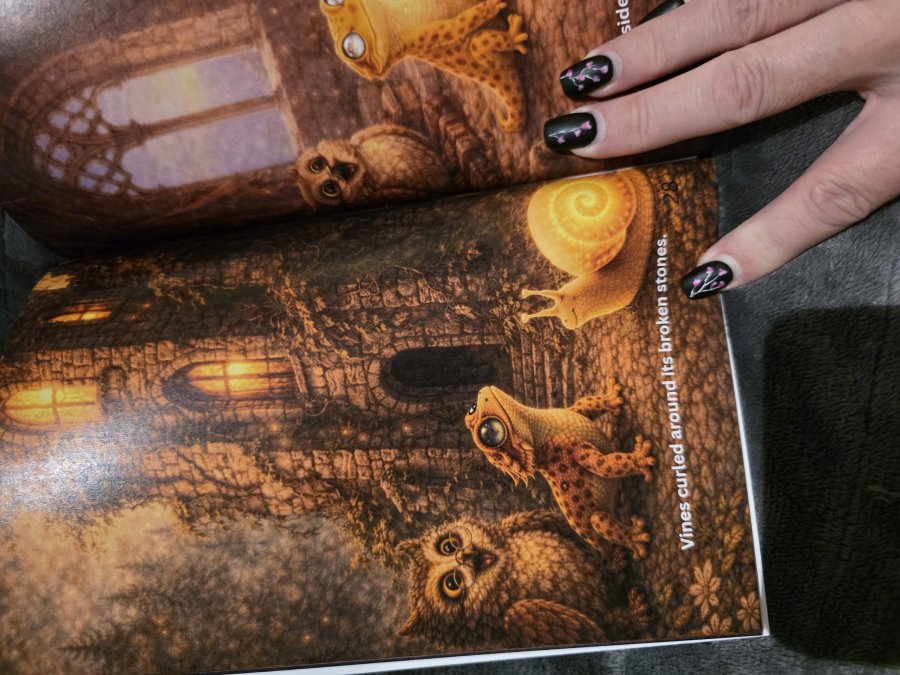
Most guides stop at “find a shop, add to cart.” That skips the parts that actually determine whether your order arrives correctly. Here is a buyer-focused walkthrough from discovery to confirmation, with the checks that matter at each stage.
1. Start with a discovery source, not a search engine
Search engines surface the largest retailers first. Instead, start from a source that curates small presses:
- Publisher directories and bookseller association member lists, which group shops by region and specialty.
- Award lists for children’s literature, which often include small-press winners that never appear in big-box results.
- Niche review blogs and librarian recommendation lists, which tend to name specific independent titles rather than bestsellers.
2. Confirm the book is genuinely independent
Before you fall in love with a listing, check the copyright page preview or the publisher’s About page. Look for:
- A named publisher that is not one of the large multinational imprints.
- Named authors and illustrators with their own pages or portfolios.
- Printing and edition details the publisher states directly.
If the same parent company owns dozens of imprints, the book is not independent even if the imprint name sounds small.
3. Match the format to the child, not just the age
Age ranges are a starting filter, not a guarantee. Two books labeled for ages 4-8 can differ wildly in text density and illustration style. Read the sample pages if the shop offers them, and check the trim size and page count in the product details. A 40-page picture book and a 32-page picture book read very differently at bedtime.
4. Verify stock status before you commit
This is the single most common source of delay. Listings labeled “pre-order,” “backordered,” or “ships in 2-3 weeks” behave differently from in-stock items. If you need the book by a specific date, confirm the status in writing before checkout.
5. Read the shipping and return terms in full
Independent shops often ship from one location, so delivery windows vary more than they do at a large retailer. Note the shipping method, the estimated window, and whether returns are accepted on non-personalized items. If the book is a gift, check whether gift notes or gift wrapping are offered and whether they affect the timeline.
6. Decide on personalization before you pay
Personalized books are usually final sale. Once a child’s name is printed into the story, the shop cannot resell it. Confirm the spelling, the dedication, and the delivery date before you submit the order.
7. Complete checkout and save everything
Save the order confirmation email, the order number, and any correspondence about stock or shipping. If something goes wrong, those records are what you will need.
Shipping, Returns, and Worldwide Availability: What to Check Before You Buy
Shipping and returns are where independent ordering differs most from a big retailer, and they are the details most guides skip. Use the framework below to compare shops before you commit.
A comparison framework for independent children’s book shops
|
What to Compare |
Why It Matters |
What to Look For |
|---|---|---|
|
Selection focus |
Tells you whether the shop curates or just lists |
Named publishers, themed collections, staff picks |
|
Shipping origin |
Determines delivery window |
Single-location vs. distributed fulfillment |
|
Shipping cost structure |
Affects total order value |
Flat rate, weight-based, or free threshold |
|
Delivery window |
Matters for gifts and birthdays |
Stated business-day range, not “fast” |
|
Return policy |
Protects you if the book is wrong |
Window length, condition rules, exclusions |
|
Personalization terms |
Determines final-sale status |
Whether custom items can be returned |
|
International shipping |
Determines availability |
Countries served, customs responsibility |
Shipping: what actually drives the timeline
Independent publishers often ship from a single warehouse or even a home studio. That means the delivery window depends on when the shop packs and hands off to the carrier, not just on the carrier’s speed. A shop that ships twice a week will feel slower than one that ships daily, even if both use the same carrier.
When you compare shops, look for a stated business-day range rather than a vague promise. If the listing says “ships in 1-2 business days,” that is a packing commitment. If it says “arrives in 5-7 business days,” that is a delivery estimate. The two are different, and both matter.
Returns: read the exclusions first
Most independent shops accept returns on non-personalized items within a stated window, provided the book is in resalable condition. The exclusions are where buyers get surprised:
- Personalized or custom-printed books are typically final sale.
- Opened or damaged-by-use items may be refused.
- Sale or clearance titles are often non-returnable.
Before you buy, confirm the return window, who pays return shipping, and whether the shop issues a refund or a store credit. Store credit is common at small shops and is not the same as a refund.
International orders: what to confirm up front
If you are ordering from outside the shop’s home region, confirm three things before checkout:
- The shop ships to your location at all.
- The estimated delivery window, which can be substantially longer than domestic.
- Who is responsible for customs duties and import fees, in most cases, the buyer.
Some shops display an international shipping rate at checkout; others require you to email for a quote. If the rate is not shown, ask before you pay.
A quick pre-checkout checklist
- Shipping origin and stated packing window
- Delivery estimate in business days
- Return window and exclusions
- Personalization final-sale status
- International shipping availability and customs responsibility
U.S. Consumer Financial Protection Bureau guidance on online shopping rights
Assessing Quality Before You Buy: Formats, Reviews, and Inclusive Stories
Quality shows up in three places: format, reviews, and content. Hardcover books hold up better for young children; board books survive toddlers. Customer reviews tell you whether the binding, printing, and story actually delivered. Inclusive stories, featuring diverse characters and experiences, are a growing strength of independent publishing, since smaller houses can take risks larger ones avoid.
|
What to Check |
Why It Matters |
Where to Look |
|---|---|---|
|
Format |
Durability for the age |
Product description |
|
Reviews |
Real-world quality |
Shop reviews, social posts |
|
Content |
Representation and fit |
Sample pages, author notes |
Conclusion
Finding the right book for a specific child takes more effort than clicking “buy” on a generic bestseller, but the result is worth it. Independent publishers, including our own studio, offer stories and formats you simply won’t find in a chain store. LumaLayer Creations publishes original children’s books and offers a curated catalog of imaginative, niche-themed titles. Explore our shop to find a one-of-a-kind story for the young reader in your life.
Frequently Asked Questions
What should I check before ordering a children’s book online?
Check the age range and reading level, the format (board, hardcover, or picture book), and whether the listing shows real customer reviews. Confirm the seller’s shipping window and return policy before you pay. If you are ordering independent children’s books, look for an about page that names the author and illustrator, and verify the book is in stock rather than backordered. These checks take a few minutes and prevent most disappointing orders.
How can I find independently published children’s books for my child?
Start with the publisher’s own website and its book catalogue, then browse by age or category. Independent children’s book publishers often list new titles, award-winning books, and classic reissues side by side. Ask local independent booksellers what they stock, and search by theme or interest rather than bestseller rank. Checking customer reviews and sample pages helps you judge whether a title suits your child before you buy.
Can I order personalized children’s books online?
Yes. Many independent publishers and small studios offer personalized children’s books where your child’s name, appearance, or hometown appears in the story. You typically enter those details at checkout, and production adds time before shipping. Personalized copies usually cannot be returned unless they arrive damaged, so review the preview carefully. They make strong gifts, but if you want a book a child can pass down or share, a standard edition may be the better choice.
How can I tell whether an independent children’s book is right for my family?
Read the description for the story’s theme, the age range, and the values it emphasizes, then check whether the illustrations match your child’s tastes. Look at sample pages when the shop provides them. For inclusive and diverse children’s book discovery, search by character or culture rather than by bestseller lists. If a title is part of a series, confirm the other books are available so you are not left with an incomplete set.
0 Comments