

Table of Contents
- Start With a Character Plan Before You Order Gothic Cosplay Accessories
- Shopping List: From Chokers to Horns and Headpieces
- How to Commission Custom Gothic Accessories That Fit
- Inside 3D-Printed Cosplay Accessories: Materials and Finish
- Gothic Cosplay Ideas to Inspire Your Next Order
- Checklist: What to Verify Before You Check Out
- Care, Storage, and Keeping Pieces Convention-Ready
- Conclusion: Ordering With Confidence
- Frequently Asked Questions
Last Updated: October 12, 2026
Start With a Character Plan Before You Order Gothic Cosplay Accessories
The best way to order unique gothic cosplay accessories is to build a character plan first, then buy pieces that serve it.
A character plan is a written breakdown of your costume’s silhouette, color palette, and mood before you buy anything. It turns a vague idea into a shopping list.
Here’s what most guides miss: the accessories make the character, not the dress.
Build a Reference Board for Your Look
Gather 10 to 15 images that match your vision and group them by category: jewelry, gloves, headwear, and bags. Note the recurring colors, usually black with red accents, and the materials you keep saving, like velvet or lace.
Your board becomes your filter. If a piece doesn’t match at least three saved references, skip it.
Shopping List: From Chokers to Horns and Headpieces
A complete gothic cosplay kit breaks into four groups: jewelry, hand and arm pieces, face and headwear, and practical accessories. Shop one group at a time so you can judge quality without rushing.
Build your list in this order: jewelry, gloves and sleeves, masks and headwear, wigs, then bags. Jewelry sets the tone and is the easiest category to match to a reference board because color and finish are visible in photos.
Jewelry, Lace Gloves, and Sleeves
Start with the neck and hands, because they frame every photo. A velvet or lace choker anchors the gothic silhouette, and a cross pendant or layered chain adds detail without clutter.
Fit matters more than most shoppers expect.
Lace gloves and fingerless gloves finish the outfit and hide seams or bare skin.
Detachable sleeves in velvet or lace let you change your look between events without buying a second costume.
Masks, Wigs, and Statement Headwear
Masks and headwear carry the drama.
Measure your head circumference at the widest point, just above the ears, and note whether a headpiece relies on a band, a clip, or a tie.
Wigs change your entire silhouette. Order one shade darker or lighter than your natural hair for contrast, and pick a style that survives a full convention day.
Practical Accessories and Bags
Bags and small carry pieces are where a costume meets a convention floor. A bat-themed bag or small velvet pouch holds a phone, a card, and a repair kit without breaking the silhouette. Look for an adjustable strap so the bag sits where you want it over a corset or cape, and check whether the closure is a zipper, a flap, or a drawstring.
A Quick Sizing Reference
Keep these measurements on your phone before you start browsing, so you can compare listings without stopping to re-measure:
|
Piece |
Measurement to Take |
Common Fit Pitfall |
|---|---|---|
|
Choker |
Neck circumference over your collar layer |
Fixed lengths run small over high collars |
|
Gloves |
Palm circumference and middle-finger length |
Lace has little stretch; size up between sizes |
|
Sleeves |
Upper arm and wrist circumference |
Attachment style changes how they sit under a cape |
|
Mask |
Face width from temple to temple |
Rigid masks need padding at the nose bridge |
|
Headpiece |
Head circumference above the ears |
Bands pinch; clips slip on wigs |
|
Wig |
Head circumference and natural hairline |
Cap size affects how a headpiece sits |
Write these numbers down once and reuse them for every order. Sellers who accept custom sizing will ask for them anyway, and having them ready shortens the back-and-forth.
How to Commission Custom Gothic Accessories That Fit
Commissioning custom gothic accessories means hiring a maker to build a piece to your specifications. It gives you a one-of-a-kind item, but only if you brief the maker clearly and confirm the details in writing. Most frustrating commissions trace back to a vague brief or a missing measurement.
What to Send in Your First Message
A strong first message shows the look, states the piece, and names the constraints. Include:
- Your reference board. Two to five images are usually enough. Circle the specific features you want, such as the shape of a horn, the length of a glove, or the finish on a pendant.
- The exact piece and where it sits on your body. “A single shoulder pauldron on the left side, worn over a corset” is clearer than “some armor.”
- Your deadline and event date. Give the date you need it in hand, not the date you leave.
- Your measurements. Send the numbers the maker asks for, taken over the clothing you will wear underneath.
- Your budget range and any material preferences. If you have a ceiling, say so early so the maker can suggest alternatives rather than quoting a piece you will not order.
Reference Images That Actually Communicate
Screenshots from films, games, and other cosplayers work well, but only when you annotate them. Draw arrows to the features you want, cross out the ones you do not, and note the color in plain words.
A common pattern is to send a mood board and assume the maker will infer the rest. They will not. If the horn shape comes from one image and the finish from another, state that explicitly.
Measurements to Take Before You Order
Measure twice, in the clothing you will wear underneath, and write the numbers down with the date. Most custom gothic pieces require:
- Head circumference, taken above the ears
- Neck circumference, over your collar layer
- Wrist and forearm circumference, plus arm length from shoulder to wrist
- Palm circumference and middle-finger length for gloves
- Upper arm circumference for sleeves and pauldrons
If a maker asks for a measurement you do not recognize, ask where the tape should sit. Guessing is the most common cause of a piece that does not fit.
Confirm These Details in Writing
Before you pay, get the following in a written message or order note, not a phone call:
|
What to Verify |
Why It Matters |
Ask the Maker |
|---|---|---|
|
Measurements |
Prevents a piece that will not fit |
“Which measurements do you need, and where should the tape sit?” |
|
Materials |
Affects weight, comfort, and how the piece ages |
“What is this made from, and how does it hold up over a long event day?” |
|
Timeline |
Protects your event date |
“When will it ship, and when will it arrive?” |
|
Revisions |
Avoids surprise costs and delays |
“How many changes are included, and what counts as a change?” |
|
Deposit and payment terms |
Clarifies what you owe and when |
“What is the deposit, and when is the balance due?” |
|
Shipping method |
Affects arrival date and risk |
“Which carrier and service level do you use?” |
Progress Photos and Final Approval
Ask for a photo of the finished piece before it ships, and for a progress photo partway through a complex build. This is your chance to catch a color or shape mismatch while it is still fixable. Review the photo against your reference board before you approve shipment.
When Custom Is Worth It
Custom work makes the most sense for pieces that must fit a specific body, match an existing costume, or reproduce a shape that is not sold off the shelf. For simple items like a plain choker or basic fingerless gloves, a ready-made piece is faster and easier to return. Save the commission for the hero piece that defines the look.
Inside 3D-Printed Cosplay Accessories: Materials and Finish
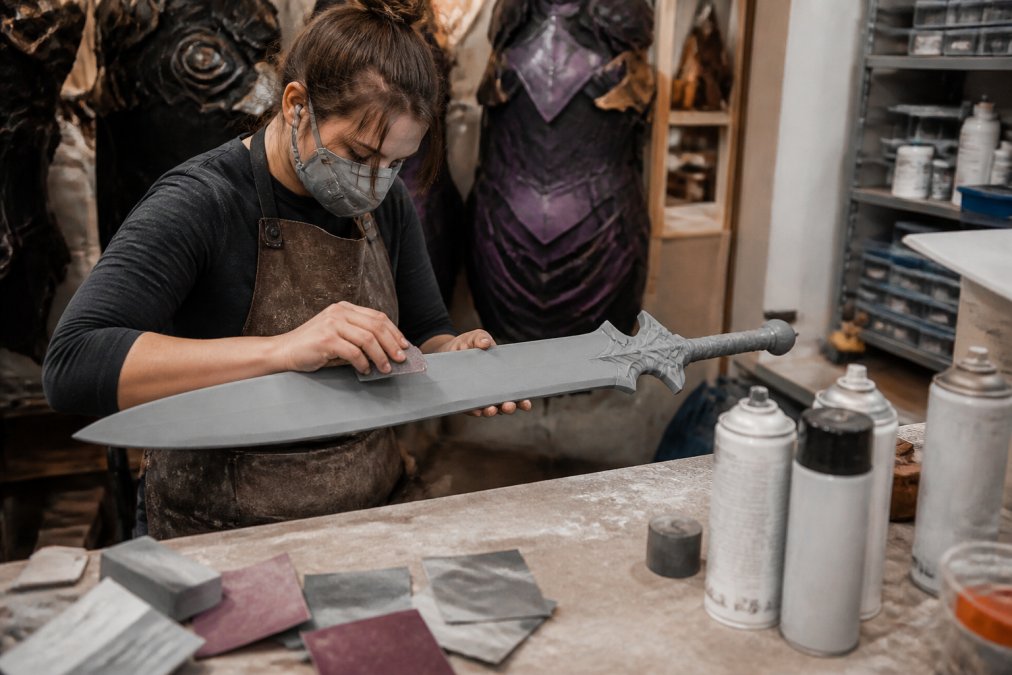
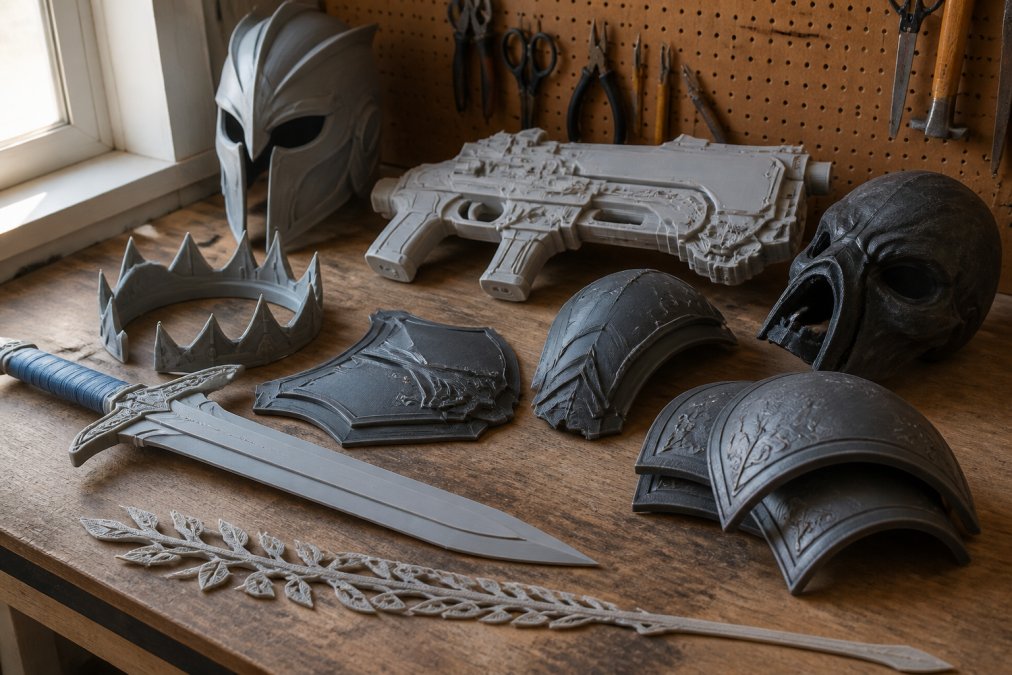
3D-printed cosplay accessories are built layer by layer from a digital design, then finished by hand.
The practical difference shows up in weight and detail. A printed horn or headpiece can be lighter than a solid cast version, which matters when you’re wearing it for hours.
At LumaLayer Creations, our original 3D-printed designs are made this way, and we’re happy to explain the finish on any piece before you order.
Gothic Cosplay Ideas to Inspire Your Next Order
A strong gothic cosplay starts with one hero piece and builds outward. Pick a single statement accessory, then let the rest of the outfit support it.
3d printed gothic style hanging bat wall hook
Try these directions:
- Dark romantic: velvet dress, lace choker, long lace gloves, and a delicate cross.
- Fantasy gothic: horns, head jewelry, and a flowing cape over a corset.
- Mysterious rogue: eye patch, fingerless gloves, and a bat-themed bag.
- Retro gothic: a headscarf, cat-eye mask, and layered chains.
Save your favorites on a mood board and order the hero piece first.
Checklist: What to Verify Before You Check Out
Before you pay, run this checklist so nothing surprises you after the sale.
- Measurements match the seller’s size chart
- Materials are listed, not just described as “premium”
- Photos show the actual item, not a stock image
- Reviews mention fit, durability, and shipping speed
- Return and replacement policy is written on the listing
- Shipping timeline fits your event date
A common mistake is skipping the review check. Read the three-star reviews first; they tell you more about real quality than the five-star ones.
Care, Storage, and Keeping Pieces Convention-Ready
Good care keeps your pieces looking new between events. Store jewelry and small accessories in a soft pouch or lined box so metal doesn’t scratch.
For 3D-printed pieces, store them padded and away from heat, since some finishes soften in a hot car. Pack a small repair kit for conventions: clear glue, safety pins, and a spare clasp.
Conclusion: Ordering With Confidence
Ordering unique gothic cosplay accessories gets easier once you plan the character, shop by category, and verify fit and quality before you pay. The pieces that last are the ones you chose deliberately.
At LumaLayer Creations, we craft original 3D-printed gothic and cosplay accessories with custom anatomical models and imaginative published works, all designed to add a touch of dark romance to your style.
Frequently Asked Questions
How do I choose gothic accessories for a cosplay character?
Start with the character’s silhouette and color palette, then layer pieces like chokers, lace gloves, and headpieces that match the mood. Build a reference board from art, film, and existing gothic cosplay ideas, and pick two or three statement items instead of many small ones. This keeps the look cohesive and makes it easier to order unique gothic cosplay accessories that read clearly in photos and on stage.
What should I check before ordering custom gothic accessories?
Confirm measurements, material, finish, and turnaround time before paying. Ask the maker for photos of past work, a written description of what is included, and how they handle sizing adjustments. For custom gothic accessories, request a sketch or mockup if the design is complex. Also review the shop’s policy on returns, replacements, and shipping so you know what happens if a piece arrives damaged or does not fit.
What materials work well for 3D-printed cosplay accessories?
PLA is common for display pieces, while PETG and ABS handle heat and impact better for convention wear. Resin prints capture fine detail for jewelry and small props but need careful handling. Many makers sand, prime, and paint 3D-printed cosplay accessories to match metal or bone finishes. Ask which material and coating a seller uses, since it affects weight, durability, and how the piece holds up across a full event day.
How do I choose the right size for a cosplay accessory?
Measure the body part the piece sits on, such as head circumference for headpieces or wrist and hand length for gloves, and compare against the seller’s size chart. For rings, chokers, and cuffs, add a little room for movement and layering over fabric. If you are between sizes, ask about adjustable closures or custom sizing. A quick photo of the measuring tape in place can help the maker confirm the fit before production.
0 Comments